
A sudden puddle of bile on the carpet is a stressful sight for any cat owner. While hacking up a hairball is often part of feline life, frequent sickness can signal a deeper health issue. Knowing the difference between a minor stomach upset and a medical emergency helps you keep your pet safe.
Cat throwing up is often caused by simple issues like swallowing fur or eating too quickly. These events usually result in hairballs or undigested food and are not typically a cause for alarm if they happen less than once a week. However, frequent sickness can signal food allergies, parasites, kidney disease, or hyperthyroidism. Cats with lethargy, blood in their vomit, or a sudden loss of appetite should see a veterinarian right away.
Talk to other cat owners who have been through this. Join the Mylo waitlist and see real outcomes from owners with similar pets before your next vet visit.
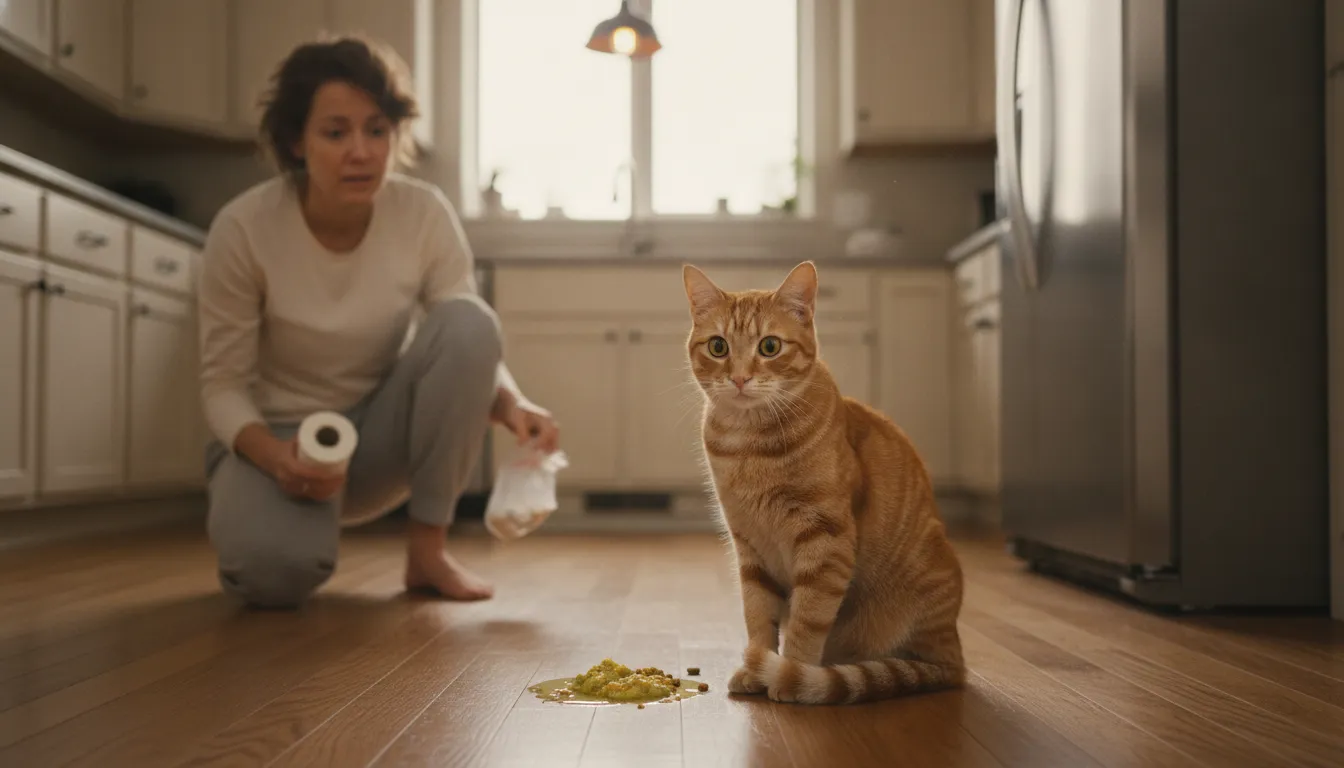
Cat Throwing Up: Common Reasons Cats Throw Up
Cat throwing up is one of the most common reasons pet owners seek help. A single event might not be a cause for alarm, but frequent vomiting often signals a need for care. Understanding why your pet is sick helps you decide if a vet visit is needed. Most causes fall into clear groups like grooming, diet, or hidden health issues.
Hairballs and grooming habits
Cats spend a lot of time grooming themselves. During this process, their tongues pull off loose fur, which they then swallow. This fur can clump in the stomach to form a hairball. It is not uncommon for a cat to expel a hairball once every week or two without any big problems. But if your cat grooms too much, they may produce too many hairballs. If your cat vomits more than once a week, they should see a vet.
Diet and eating patterns
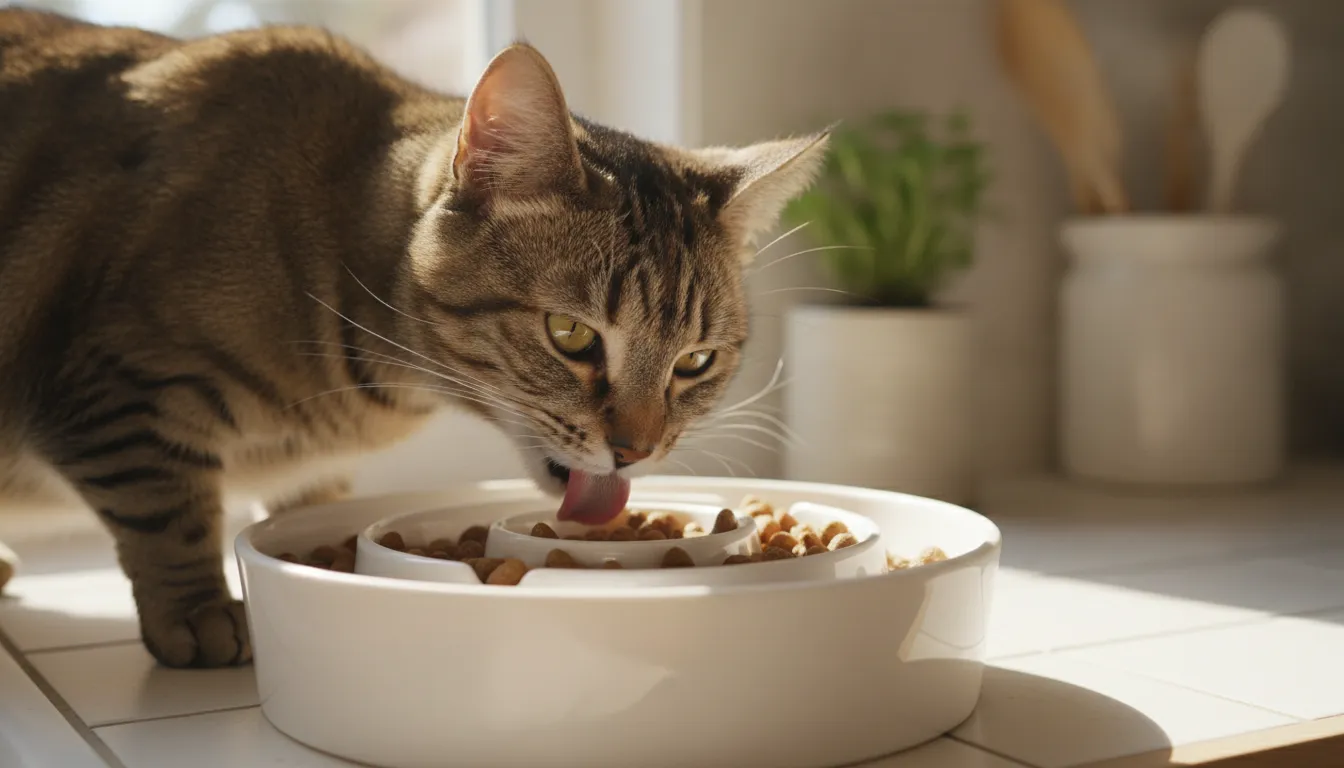
How a cat eats affects their stomach health. Many cats eat their food too fast, leading to a "scarf and barf" reflex. The stomach expands too fast and the cat brings up food right after a meal. Using a slow feeder or giving smaller meals throughout the day can help stop this. Food changes are another common cause of cat throwing up. A sudden switch to a new brand can upset their system. It is best to mix new food with the old kind slowly over a week.
Some cats also have allergies or cannot handle certain foods like beef or fish. Learning about feline nutrition and digestive health helps you spot these triggers early. If vomiting lasts after a slow food change, check for other medical causes. Watch for signs like loose stool or a loss of appetite to find the root of the issue.
Systemic diseases and toxins
Vomiting can be a sign of a larger health issue that affects the whole body. Systemic diseases like kidney disease, diabetes, and hyperthyroidism often cause chronic vomiting in cats. These conditions change how the body handles waste and energy. Other causes include parasites, bowel disease, or growths in the gut. Catching these early through vet visits is vital for your pet's life. Chronic vomiting should never be ignored, as it often points to a hidden illness.
Toxins are an urgent cause of sickness. Items like lilies, human drugs, and spoiled food are poisonous to cats. Common things like string, yarn, or antifreeze also pose a huge risk. Some human foods, such as onions or chocolate, can make your cat ill. If you think your cat ate something toxic, you must seek help fast. Even small amounts of these items can lead to organ failure or a blocked gut.
Mylo helps owners by matching symptoms to real results from other owners. By looking at what worked for similar cats, you gain a better view of your pet's health. The platform uses data to show how many owners were helped by a specific step. This group insight helps you talk to your vet with more trust.
What Your Cat Throwing Up Looks Like and What It Means
Cat throwing up can look different depending on the cause. The color, texture, and contents of the vomit each tell a story. Recognizing these patterns helps you decide whether to watch at home or call the vet. Here is what to look for and what each type means for your cat's health.
| Type | Appearance | Likely Cause | Action |
|---|---|---|---|
| Hairball | Wet tube of fur | Normal grooming | Watch if less than weekly |
| Undigested food | Whole pieces, no bile | Eating too fast or regurgitation | Try a slow feeding bowl |
| Yellow or green liquid | Bile with some foam | Empty stomach, bile reflux | Monitor; call vet if ongoing |
| White foam | Bubbly spit, no solids | Empty stomach, hairball coming | Watch; offer a little water |
| Bright red blood | Red streaks or drops | Active bleeding in the gut | Call your vet right away |
| Dark coffee grounds | Dark specks or clots | Digested blood, slower bleed | Call your vet right away |
Hairballs and food
A hairball usually looks like a wet, tight tube of fur. It is normal for a cat to pass a hairball once every one to two weeks. If you see whole pieces of food, your cat may have eaten too fast. This is often called regurgitation. It happens before the food gets to the stomach. You will not see much bile or liquid with it.
Foam and bile
Clear or white foam often means the stomach is empty. It can also signal that a hairball is coming up soon. Yellow or green liquid is usually bile. This often shows up when a cat has not eaten for a long time. But it can also point to a deeper issue like bile reflux or a food allergy. If your cat acts tired after this happens, it is time for a checkup.
Red flags and blood
Seeing blood in the vomit is always a big concern. Fresh blood looks bright red. If the blood has been in the stomach for a while, it may look like dark coffee grounds. Both types are signs of a health emergency. Frequent vomiting that has blood or comes with a lack of thirst needs a vet right away.
Red Flags: When to Call the Vet for a Cat Throwing Up
Most pet owners worry when they see their cat throwing up. While a single hairball is often part of cat life, some signs point to a serious health issue. You should watch your cat closely to see if they act like themselves or show signs of pain. Knowing the gap between a minor upset and a medical crisis helps you get the right care fast.
Signs of an emergency
You must call a vet right away if your cat vomits more than three times in one day. Frequent vomiting is a major red flag, especially if your cat cannot keep any food or water down. Based on facts from Best Friends Animal Society, cats that vomit often and seem very tired need to see a vet as soon as possible. These signs often mean your cat is losing fluids fast or has a blockage in their gut.
- Blood in vomit, bright red streaks or dark coffee-ground specks require immediate attention
- Known toxin ingestion, lilies, antifreeze, or human medications cause rapid organ failure
- Swollen or painful belly, may indicate a intestinal blockage or pancreatitis
- Multiple vomiting episodes, three or more times in 24 hours requires a vet visit
- Inability to keep water down, rapid dehydration is especially dangerous for kittens and senior cats
Changes in behavior and body
A cat's behavior often tells you more than the vomit itself. A sick cat may hide in dark spots or act very weak and limp. You can check for dehydration by gently lifting the skin on the back of their neck. If the skin does not snap back fast, your cat needs fluids. Sunken eyes and dry gums are also signs that your cat is dehydrated and needs medical help.
Track these changes alongside the vomiting. Cats that show signs of lethargy, a loss of appetite, or increased thirst should see a vet promptly. These issues combined with diarrhea or litter box changes suggest a full-body illness. Tracking these shifts helps you give a better cat health history report to your vet.
When to watch and wait
Not every case of a cat throwing up is a crisis. If your cat vomits once but still wants to eat and plays normally, you can likely watch them at home. As long as they act comfortable and do not keep vomiting, they may just have a mild upset stomach. But reach out to a vet if the vomiting happens more than once a week.
Not sure what to do next? Use the Mylo symptom checker to compare your cat's signs with real owner experiences and get clear guidance.
What You Can Do at Home for a Cat Throwing Up
If your cat is throwing up but still acts like themselves, you may be able to manage the issue at home. This path is only for mild cases where the cat is active, alert, and wants to eat. Never try home care if you suspect your cat ate a toxin or if they show serious red flags. For minor stomach upset, following a clear set of steps can help their digestive system recover.
Check for red flags first
Before you start home care, look closely for signs of a medical emergency. Do not wait if you see blood in the vomit or if your cat seems very tired and weak. These signs often point to deep health issues that need a vet's help right away. Cornell University notes that cats with a low appetite or weakness need prompt care. Call a vet if your cat might have eaten toxic plants, human meds, or household chemicals.
Rest the stomach
If your cat seems fine otherwise, let their gut rest. This helps stop the vomiting cycle and gives the stomach lining time to settle. While you monitor your pet, use Mylo to see how other owners handled similar cat digestion problems. Many owners find that a short food break is the best first step for a simple upset stomach.
- Withhold food for 6 to 12 hours to let the stomach rest and reduce the urge to heave.
- Offer small water amounts or ice cubes to keep your cat hydrated without overfilling the stomach.
- Monitor for worsening signs like lethargy or pain that show the problem is getting worse.
- Introduce a bland diet of boiled chicken or white fish mixed with rice once the vomiting stops.
- Feed small meals every few hours instead of one large bowl of food.
- Call your vet if the vomiting starts again as soon as you reintroduce food.
When to stop home care
Home care has limits. Stop and call a vet if your cat cannot keep water down or if the vomiting lasts more than 24 hours. Very young kittens and senior cats can get weak very fast from fluid loss. Cases of long-term cat vomiting often need fluids or meds from a clinic to stop the cycle. If you are unsure, it is always safer to talk to a professional than to wait.
How Mylo Helps You Compare Real Owner Experiences
When you find your cat throwing up, the gap between a quick search and a vet visit can feel huge. Many owners turn to forums for help, but generic advice often misses the mark for your pet. Mylo fills this gap by matching your cat's signs with real results from owners in similar spots. This community data helps you see what worked for other pets like yours.
Match your cat by breed and age
Cat health needs change based on breed and life stage. A senior cat with a weak stomach has different needs than a young kitten. Mylo uses your pet's breed and age to find matched pet advice that truly fits your case. Instead of reading through long forum posts, you see what owners of cats like yours found helpful. This helps you make a better plan before you head to the vet.
Review clear success ratings
Mylo does more than just share stories. The platform provides clear ratings for each tip, like how many owners found a change helpful versus those who did not. This bridge between high vet costs and unsure web data lets you see trends in pet owner health insights. By viewing these simple scores, you can pick the best steps for your pet's care.
Use Mylo as a vet care partner
Peer tips are great, but they never replace expert help. Mylo is a tool to go with your vet's advice, not take its place. If your cat shows red flags like blood or acting tired, seek help at a veterinary health center right away. Using shared data with vet care ensures you have a full view of your cat's health.
Frequently Asked Questions
How much is normal for a cat to throw up?
Seeing a cat throw up is not fun, but hairballs can be normal. Experts at the Cornell Feline Health Center say that passing a hairball once every week or two is usually fine. However, any vomiting that happens more often or includes more than fur needs a vet's help. Frequent vomiting is not just a quirk. It can be a sign of a hidden gut issue or a serious disease that needs a check by a pet doctor.
Why does my cat throw up white foam?
White foam often means your cat has an empty, upset stomach or is trying to bring up a hairball. It happens when a cat heaves without food in the gut, making spit mix into a bubbly foam. While one time may be okay, frequent foaming can signal acid reflux or a gut problem. If your cat keeps foaming and stops eating, a vet exam is the best way to find the real cause.
What can I give my cat for throwing up?
At home, you can let your cat's stomach rest by taking away food for six to twelve hours. Once they stop vomiting, offer small sips of water or ice cubes. You can then try a bland diet like boiled chicken and rice. For bad cases, a vet may give fluids or special medicine to stop the heaving. Never give your cat any human pills. Many human drugs are toxic to pets and can cause very bad harm or even death.
Can diet changes help stop cat throwing up?
Yes, changing what your cat eats can help if the cause is a food allergy or eating too fast. Switching to a high-quality food or a diet with few items can reduce gut upset. As the Cornell Feline Health Center notes, a bland diet like boiled chicken can also help after a short bout of heaving. However, you should always talk to your vet before making big changes to your cat's food to make sure it is safe for their health.
When should I worry about my cat throwing up?
You should worry if your cat vomits more than three times in 24 hours, has blood in the vomit, seems lethargic, cannot keep water down, or may have eaten a toxic substance. Kittens and senior cats are at higher risk of rapid dehydration and should see a vet sooner rather than later. When in doubt, it is always better to call your vet than to wait and see.
Ready to Take the Next Step for Your Cat's Health?
Leaving a cat with an upset stomach leads to more pain for your pet and higher vet bills for you to pay. A small problem today can turn into a major crisis for your cat if you wait too long to get the right help. By getting the best data right now, you can stop the worry and find a clear path to help your cat stay safe.
Join the Mylo community and see what worked for other cat owners managing vomiting. Join the Mylo waitlist to get matched advice from owners with similar cats and make better choices for your pet's health.