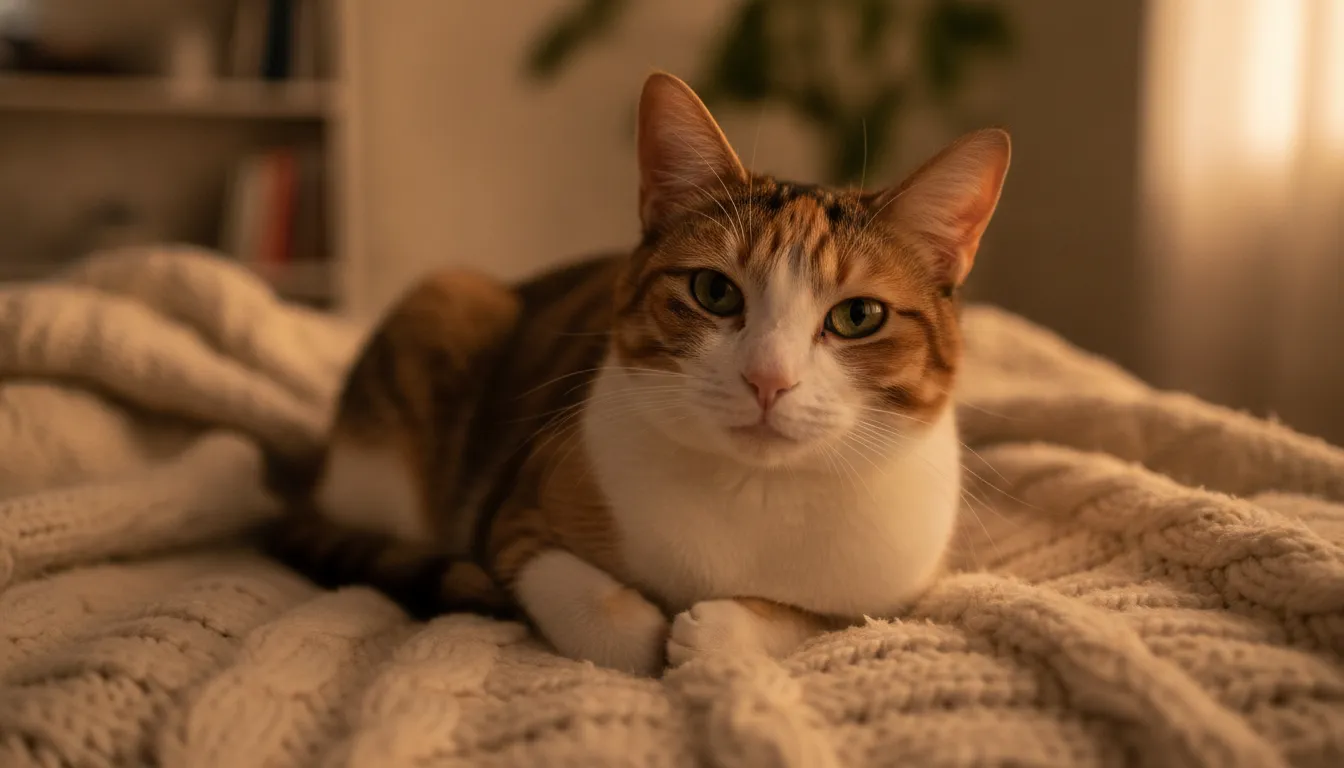
A playful cat that stops moving and sleeps through dinner is a red flag. While cats love to nap, a sudden loss of interest in life is never just a phase.
"Why is my cat lethargic" is a question that usually comes from seeing a pet show a clear drop in energy or interest in its world. According to PetMD, lethargy is a medical sign where a cat acts slow toward things they love, like food or toys.
This change often means the cat is saving energy to fight an illness or manage physical pain. Causes range from minor stress to serious health issues like infections or organ failure. Because cats are experts at hiding pain, any sudden shift in their routine needs close attention.
Finding these signals helps you decide if your cat needs a quiet place to rest or an urgent trip to the vet.
Finding the cause of your cat's low energy starts with knowing exactly what to look for at home. It can be hard to tell a long nap from a medical problem. Below, we explore what cat lethargy really looks like so you can spot the warning signs early.
Why Is My Cat Lethargic: What Does Cat Lethargy Really Look Like?
Most cats spend a large part of the day napping. This makes it hard for owners to tell if a pet is just tired or truly sick. Lethargy is a state where a cat shows less activity and interest in its world. A lethargic cat will not react much to toys, treats, or sound. This change often shows that your pet is not feeling well and needs your help to feel better.
How to Spot True Lethargy
If you ask why is my cat lethargic, you should look for more than just deep sleep. A healthy cat will wake up for a snack or a loud noise. A lethargic cat stays dull even when things happen around them. This state of low activity can last for hours. It is not the same as a long nap after a big play time.
Hiding as a Signal of Pain
You may also see your cat hiding in odd spots. Cats often hide to deal with pain or hurting. By staying in a dark corner, they reduce the noise and light around them. These acts are a common way for cats to manage pain when they feel weak. If your cat stops coming out to greet you, it is a red flag for their health. This shift in habits is a key way for owners to catch health issues early.
Physical Clues of Low Energy
Physical clues can help you find the cause of low energy. A healthy cat grooms itself many times a day. When a cat feels sick, it may stop this habit to save its energy. This lack of care leads to a matted or unkempt coat. You might notice the fur looks oily or has more dandruff than usual. These small changes in look often point to a loss of strength.
Studies show that changes in the coat can point to deeper medical issues. For example, lethargy and hair thinning are common signs of hypothyroidism in cats. These health signs help vets narrow down what is wrong with your pet. If your cat's fur looks poor and they seem slow, it is time to look for other signs of cat health issues. Keeping track of these signs can help you give the vet a full picture of the problem.
Watch how your cat moves during the day. A lethargic pet might walk slow or seem weak in their back legs. They may also lose interest in jumping to high spots they used to love. When you see these physical changes, note how long they last and if they get worse. Sharing these details with a vet can help them find the right answer fast. It also helps you get your cat back to their normal, happy self.
7 Common Causes of Sudden Lethargy in Cats
When your cat stops playing or hides in dark spots, it can feel scary. Lethargy is a sign that something is wrong, ranging from minor pain to a major health issue. Veterinary experts note that lethargy can stem from many issues like simple discomfort or a deep illness. Finding the source is the first step to helping your pet.
Common health issues and infections
One common cause is a thyroid problem. Studies show that lethargy is a key sign of hypothyroidism in cats. This condition often comes with weight gain or a messy coat. Cats may also get infections from pests. Fever and low energy are non-specific signs of tick-borne infections like Anaplasmosis in pets. These illnesses often need a vet to run blood tests.
Respiratory problems can also drain a cat's energy. A cold or flu makes a cat feel poorly, which leads to less activity. It is helpful to know when to see a vet for your cat if they start sneezing or seem tired. Catching these signs early can stop a mild case from getting worse.
Behavioral signs of pain
Cats are good at hiding when they hurt. They may sleep more to deal with the stress of pain. This behavior is a way for them to reduce stimulation. If you see your cat hiding in odd spots, it could be a sign of injury or a hidden health issue. Checking their food and water intake can help you see if they are truly sick.
| Cause | Symptoms | What to Do |
|---|---|---|
| Infections | Fever, sneezing, or low appetite | Call a vet for a checkup |
| Pain or Injury | Hiding and less grooming | Check for sore spots or limps |
| Thyroid Issues | Weight gain and messy hair | Ask for a thyroid blood test |
| Tick Illness | Sudden fever and joint pain | Get a tick-borne disease screen |
| Cold/URI | Runny nose and sneezing | Provide a quiet place to rest |
When Is Cat Lethargy an Emergency?
Most cats spend a large part of their day napping. But there is a big difference between a sleepy pet and a sick one. Knowing when to act can save your cat's life. Sudden lethargy is often a sign of a serious health issue. If your cat stops moving or responding, it is an emergency sign that needs a vet visit right away.
When does cat lethargy become an emergency?
A cat that stays lethargic for more than 24 hours needs medical care. You should watch for red flags like trouble breathing or cold limbs. If your cat has been vomiting or has loose stools for a full day, do not wait. These signs often point to severe pain or organ failure. You can learn more about when to see a vet for your cat to keep them safe.
You should also track how much your cat eats and drinks. A cat that avoids the food bowl or water dish for a day is at high risk. Changes in bathroom habits are also vital clues to their health. You can monitor appetite changes and litter box use to catch small issues before they grow.
Red flags that need a vet now
Some symptoms mean you must head to the vet clinic immediately. Look for a cat that seems confused or cannot walk in a straight line. If their gums look pale or blue, they may not be getting enough air. These issues are often linked to heart problems or toxic poisoning. Quick action is the best way to help your pet recover.
Pain can also cause a cat to hide or act very still. A cat that will not move or cries out when touched is in deep distress. If you see these signs, call an emergency vet clinic right away. Do not try to treat these issues at home. Expert care is the only safe path for a cat in a crisis.
How to Help a Lethargic Cat at Home
If your cat is less active but does not show emergency signs, you can take steps to help them at home. Watching their habits is the best way to find the cause. Small changes in their day can show signs of cat health issues before they get worse. You should act as a calm guide for your pet during this time.
Create a low-stress space
A quiet and calm room helps a tired cat rest. Many cats hide when they feel bad or have pain. This act is a natural way for them to cope. By hiding, they lower the stress from noise and light. Give your cat a safe, warm spot away from other pets to help them relax while you watch for new signs.
Check for basic health needs
Keeping your cat fed and hydrated is a top goal. Offer their favorite wet foods to get them to eat. The extra water in wet food also helps them stay hydrated. You can check for dry skin by gently lifting the scruff of their neck. If the skin stays up or moves slow, your cat may need to see a pro for fluids.
Monitor and record habits
Keep a log of your cat's day to share with a vet. Follow these steps to track their health and help them feel better at home:
- Track food and water use. Note how much your cat eats and drinks. A drop in food use can show many issues. These range from simple stress to signs of hypothyroidism in some pets.
- Watch the litter box. Check for any change in how often they go. You should also look at the state of their waste. Tracking these habits helps you see health trends over time.
- Look at their fur. Check for a messy or oily coat. Cats often stop grooming when they have no energy or feel pain. This lack of care makes their fur look flat or matted.
- Check for sores. Gently feel your cat for any lumps or hot spots. A hidden wound from a bite or a scratch can often cause a fever and make a cat feel very weak.
- Lower light and sound. Keep their rest area dim and still. Reducing loud noise and bright light helps lower their stress. This allows their body to focus on getting well.
- Take their temperature. If you can do so safely, check for a fever. A warm nose or ears can suggest a fever. But a thermometer is the only way to get a real count.
- Know when to get help. If the low energy lasts more than a day, it is time to call a pro. Checking when to see a vet for your cat can help you decide when to go.
Home care is about keeping your cat cozy and gathering facts. While you can help with minor stress, deep lethargy needs a vet to find the root cause. Always trust your gut if your pet seems truly off. Quick care often leads to the best results for your cat's health.
What Your Vet Will Check for a Lethargic Cat
If your cat is suddenly lethargic, you might wonder what to do next. Most experts suggest that an abrupt drop in energy is a sign to contact your vet right away. They can help find the cause of the issue, which can range from simple pain to serious illness. A clinical check often starts with a physical exam and a review of your cat's health history.
Physical Exam and Initial Screening
Your vet will look for outward signs of cat health issues during the first visit. This includes checking your cat's coat, weight, and gum color. A dull or unkempt coat can mean a cat lacks the energy to groom. They will also feel for lumps or signs of pain in the belly and limbs.
Vital signs like heart rate and temperature are also key. A high fever can point to an infection that is making your pet feel weak. This physical check helps the vet decide which lab tests are needed next. These steps ensure that the diagnostic path fits your cat's specific needs, as lethargy can stem from many factors like stress or systemic disease.
Bloodwork and Diagnostic Lab Tests
Lab tests give a deeper look at what is happening inside your cat. A full blood count can show if your cat has a high white blood cell count or low red blood cells. These results can point to an infection or anemia. A chemistry panel checks how well the liver and kidneys are working.
Specific tests for hormone levels are also common. For example, thyroid function testing can find if hypothyroidism is the cause of your cat's low energy. Vets may also screen for infectious diseases like Anaplasmosis. This screening for tick-borne disease is vital if your cat spent time outdoors or in wooded areas.
Imaging and Advanced Tools
If blood tests do not give a clear answer, your vet may use imaging tools. X-rays can show issues with the heart, lungs, or bones. They also help find foreign objects that a cat might have swallowed. An ultrasound can give a more detailed view of the soft tissues in the abdomen.
These tools help find hidden causes of pain that a simple exam might miss. Knowing when to see a vet for your cat and having these tests done can lead to a faster recovery. Early testing can help manage many conditions before they become severe threats to your cat's health.
How Mylo Helps You Understand Your Cat's Energy Changes
Watching a cat lose its spark is hard. You want to help, but you may not know if the issue is a small bug or a big health risk. Mylo is a pet owner tool that helps you find clear paths forward. It connects you with the real stories of other cat owners who have faced the same health problems. You can see how they handled low energy and what the results were for their pets. This helps you move from worry to action.
Find Peers with Similar Pets
Most online search results are too broad. They give you the same list of causes for every cat. Mylo works by matching your cat's breed, age, and symptoms to real-world outcomes. If your cat has signs of an infection like fever or lack of energy, you can see what worked for cats just like yours. This peer data helps you spot signs of cat health issues faster than a plain web search.
Mylo focuses on matching the details that matter most for your pet:
- Exact breeds with unique health traits.
- Life stage needs from young kittens to senior cats.
- Joined symptoms like lethargy and hiding.
- Rating scores of "Helped" or "Not Helped" for each path.
Avoid the Research Rabbit Hole
Pet owners often spend more than two hours looking for health advice online. Most of that time is spent sorting through mixed messages that lead to more stress. Mylo cuts through the noise. It gives you direct access to what other owners did when their cats were lethargic. You get to see which steps helped and which did not. This saves you time and lets you focus on your cat's care. Instead of reading fifty forum posts, you see the top paths that led to a good result. You can quickly find if a change in energy is part of a common trend.
Make Better Health Choices
Cost is a major part of pet care today. About 94% of vets say that money limits the care they can give to pets. This makes it vital to know when a vet visit is truly needed. Mylo is not a doctor, but it gives you context for your cat's energy changes. You can use these peer insights to talk with your vet. It helps you ask better questions during a visit. This helps you get the right care without guessing or wasting time on steps that may not work. By knowing what has helped other pets, you can feel more sure about the choices you make for your own cat. You gain the power to plan your next steps with ease.
Frequently Asked Questions
Is my cat lethargic or just tired?
Cats sleep a lot, often 12 to 16 hours a day. Healthy cats wake up for meals or play. Based on PetMD, lethargy is when a cat shows a big drop in interest or energy. If your pet stops acting like themselves, they are likely lethargic rather than just resting.
Why is my cat lethargic after vaccinations?
It is common for cats to feel slow after they get shots. This is a normal sign that their body is working to stay safe. You might see your cat sleep more or move less for one or two days. If they do not feel better after 48 hours, call your vet. They can check for any rare health issues.
Can a lack of water make my cat lethargic?
Yes, a lack of water can quickly drain your cat of energy. When a cat loses too much fluid through heat or sickness, their body cannot work right. This loss of fluids leads to low blood flow and low energy. If your cat seems weak and has dry gums, they may be very thirsty and sick. You must get them to a vet for help right away.
Do older cats get lethargic more often?
Older cats often have lower energy levels than young kittens. But true lethargy in a senior cat often points to health issues like kidney disease or joint pain. Many older cats hide their pain by moving less or hiding. If your senior cat shows a sudden change in how much they move, it is best to have a vet look at them.
Ready to find the real cause of your cat's sudden low energy?
Waiting to help your cat often leads to higher vet bills and more stress as you watch your pet struggle with a lack of energy. You can save hours of time and avoid bad advice by looking at what worked for other cats with the same age and health signs. Taking this simple step now ensures you have the best data to help your cat get back to their normal daily life much more quickly.
Ready to request access? Contact Mylo today to join the waitlist and get advice from pet owners who have faced the exact same health concerns as you do right now in your own home.