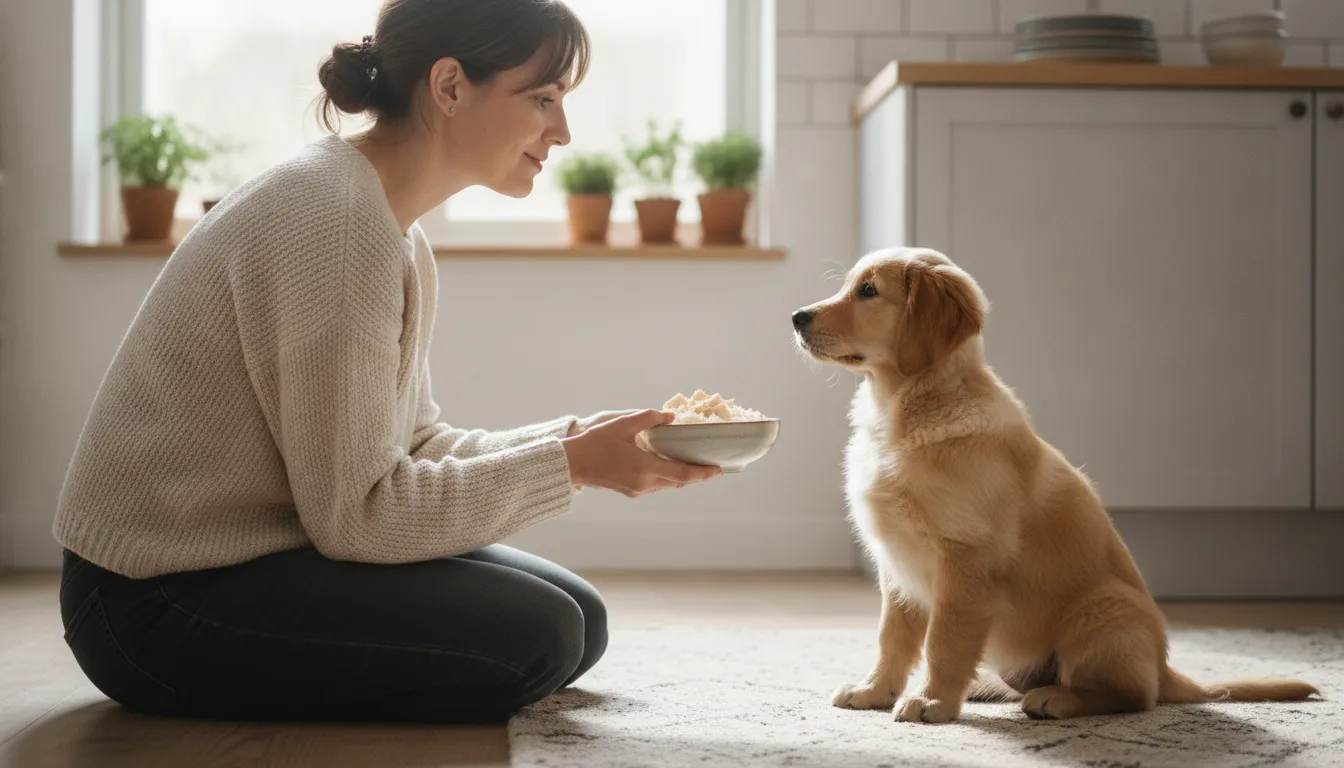
A sudden bout of watery puppy diarrhea will quickly disrupt a peaceful evening at home. Young dogs have very sensitive digestive systems that easily react to new foods or stress.
A puppy bland diet for diarrhea is a temporary home care method that helps soothe a young dog's irritated stomach. This gentle feeding plan usually uses easy to digest foods like boiled chicken breast and white rice to give the gut a needed break. The Riney Canine Health Center at Cornell University notes that many mild cases of digestive upset resolve on their own with rest. However, because puppies lack the strong body reserves of adult dogs, this restrictive diet is not a permanent plan. You should only feed these foods for a few days. If your puppy shows signs of extreme tiredness or vomiting, or if the diarrhea does not improve after two days, you must contact a veterinarian.
Knowing when to start this diet can prevent serious dehydration and help your puppy recover. In the next section, we explore the question, When Does a Puppy Need a Bland Diet for Diarrhea? The path begins with understanding the specific warning signs of illness.
Get step-by-step guidance for your puppy's bland diet in the Mylo app
When Does a Puppy Need a Bland Diet for Diarrhea?
A young dog has a sensitive gut that reacts quickly to new things. A puppy bland diet for diarrhea can help soothe this upset and give the digestive tract a needed break. When you manage these issues at home, you must know when it is safe to use simple food. You also need to know when to seek veterinary help. Focusing on puppy health and wellness is key to a fast recovery.
Signs of mild stomach upset
Many cases of loose stools in young dogs are not severe. Some puppies have mild bouts of loose stools that resolve on their own. According to research on canine diarrhea, these mild cases are often self-limiting. If your puppy stays active and keeps playing, a short phase of plain food may be all that is needed. This simple diet gives the gut a rest while the body heals itself.
But you must watch your pet closely. Even a mild case can change quickly if the puppy does not get enough fluids. See how often they go and check if their stools are soft. Keep fresh water in their bowl at all times to help them stay hydrated.
Common causes of digestive upset
Young dogs are curious and like to explore with their mouths. They often eat things they should not, such as trash, bugs, or plants. This habit is called dietary indiscretion. Clinical studies on gastrointestinal disease show that eating bad items is the most common cause of sudden stomach issues in pets. When this happens, their stomach gets sore and inflamed.
A sudden food switch can also cause loose stools. If you change their food too fast, their sensitive system cannot handle the shift. You must make diet changes slowly. Try to spread the food shift over several days. A short plain diet can help quiet their gut after a sudden upset.
When to skip home care
While some cases of loose stools are mild, home care is not always safe. Puppies are small. They do not have the same body reserves as adult dogs. If a young dog has diarrhea that lasts more than two days, you must not wait. Seek veterinary care right away to prevent serious health issues.
You must also look for other warning signs. If your pet stops eating, seems tired, or starts to vomit, call your vet. Black or tarry stools are a major warning sign. They need urgent care. Also, if your puppy is under three months old, do not fast them. Always get veterinary advice first for young pets because they can get weak quickly.
What Foods Go Into a Safe Puppy Bland Diet
When a young dog has stomach issues, you must choose the right foods to soothe their gut. A puppy bland diet for diarrhea uses foods that are low in fat and low in fiber. These soft meals are easy to digest. They give the gut a break so it can heal.
Lean Proteins for Stomach Support
The best protein source is skinless, boneless chicken breast boiled in plain water. Do not add any salt or spices. You can also use lean ground beef, but you must drain all the fat after cooking. These meals give your dog vital protein without heavy fats that trigger pain.
Boil the chicken breast in plain water. Do not add butter, oil, or spices, as these irritate the gut. For beef, boil the meat in water and skim off the fat. Cook the white rice until it is very soft. This makes the grains much easier for a young dog to absorb.
Easily Digestible Carbs for Energy
You should mix the lean meat with a simple carb. Plain white rice is the standard choice because it is very easy to digest. For a young dog, cooked pasta is a good option instead of white rice, as supported by the Cornell University College of Veterinary Medicine guide. Make sure both options are cooked without any oils or salt.
When mixing these foods, use the right ratio. The classic blend is two parts cooked carb to one part lean protein. This high-carb ratio is vital. Feeding too much meat can overload a puppy's sick stomach and delay healing.
Safe Additions and Allergy Warnings
You can also add a small spoonful of plain canned pumpkin. This ingredient helps absorb excess water in the stool. But you must never feed foods your dog is allergic to. If your pet has beef or chicken issues, check dog food allergies for safe options.
Do not add dairy like cheese or yogurt. Many young dogs cannot digest dairy, which can make diarrhea worse. You should also avoid raw meats or bones while your pet is sick. Stick to simple, cooked ingredients that are very easy on their stomach.
A bland meal plan is only a short-term fix. These simple foods lack the vitamins and minerals that growing dogs need. Long-term use of this diet can cause nutrient gaps. To restore normal gut health safely, follow the UC Davis Veterinary Medicine advice and switch back to regular food as soon as the diarrhea stops.
How to Prepare and Serve a Puppy Bland Diet
When your puppy has stomach pain, you must act fast. Preparing a safe puppy bland diet for diarrhea can help them recover. Before cooking, check if your puppy is ready to eat. Some pets need a short break first.
Pre-cook food fasting rules
If your pet has sudden stomach signs, a vet may recommend fasting for 12 to 24 hours to rest the gut. You can hold back food for 12 to 24 hours before starting the diet. This gives the gut a break.
Years ago, vets often advised fasting pets for 24 to 48 hours to rest the bowel. Today, long fasts are less common. If your puppy is under three months old, do not fast them without a call to your vet. Very young dogs have high growth needs and lack strong energy reserves.
Step-by-step cooking instructions
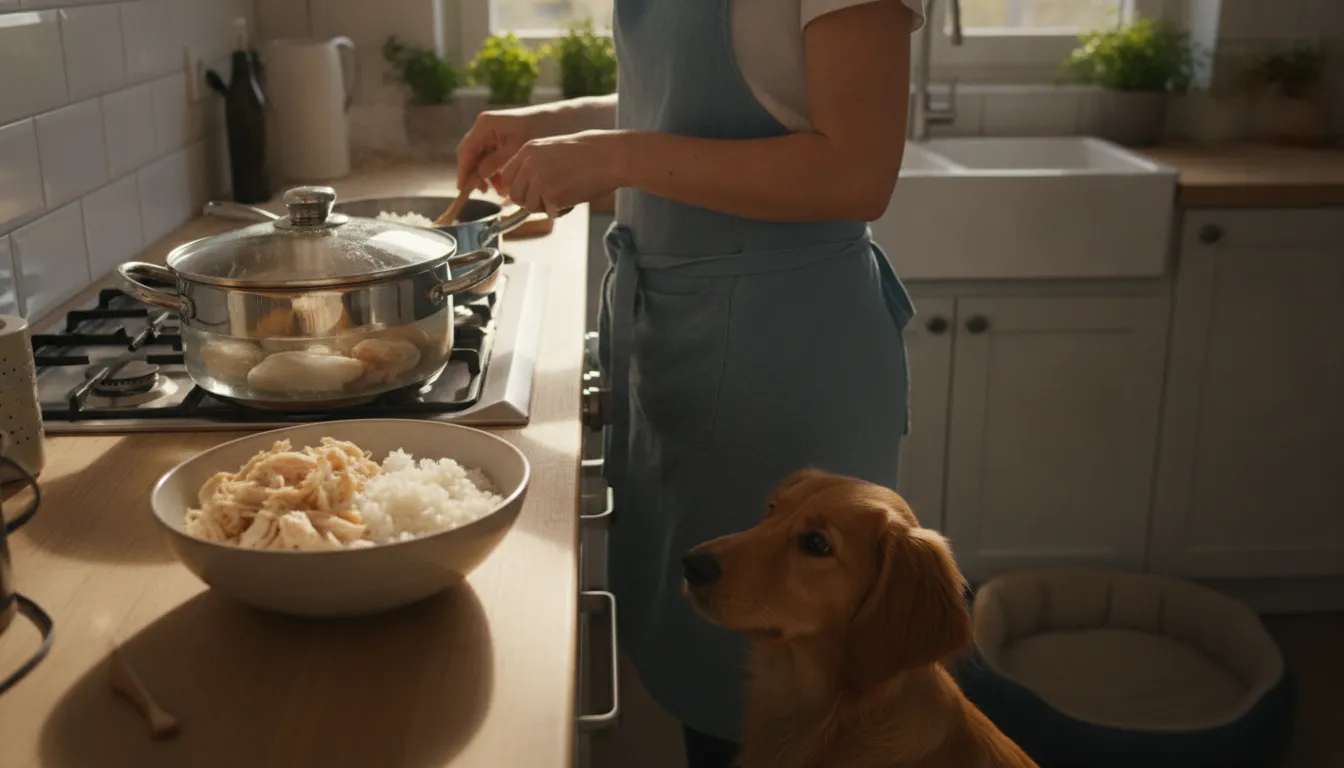
Once your puppy is ready to eat, you can start prep work. Use plain, skinless chicken breast and white rice. These plain foods help support puppy health and wellness as they heal. Do not add oil, butter, or spices because these make diarrhea worse.
- Boil the meat. Boil skinless, boneless chicken breast in plain water until fully cooked. Shred the meat into tiny pieces that are easy for a small mouth to chew.
- Cook the rice. Boil plain white rice in water without salt, oil, or butter. Cook the rice well so it is soft and easy to digest.
- Combine the mix. Mix one part shredded chicken with two parts cooked white rice. This two-to-one mix of rice to meat gives the best nutrient balance.
- Cool the food. Let the meal cool to a safe warmth before you serve it. Giving hot food to a sick puppy can burn their tongue.
- Serve small portions. Feed your puppy small meals many times a day instead of one big meal. Four to six small feeds keep their blood sugar stable.
- Offer fresh water. Keep a bowl of clean water nearby at all times. Puppies lose fluids fast when they have diarrhea, so water is vital.
Safe feeding and water guidelines
When you serve this meal, watch how your pet reacts. If they eat well and do not vomit, you can continue the diet. If your puppy has a known dog food allergy, avoid chicken entirely. You can use low-fat hamburger or cooked pasta as a safe option to prevent more upset.
A bland diet helps soothe the gut, but it is only a short-term tool. Since this food lacks the complex nutrients growing dogs need to grow, do not feed it long-term. Keep clean, cool water nearby. Fluid loss from diarrhea can make a puppy weak, so water is vital to help them stay strong.
How Much and How Often: Portions by Puppy Size
When you feed a puppy bland diet for diarrhea, you must watch the size of their meals. Young dogs have tiny stomachs that can not hold much food at one time. If you give them too much food, you can make their gut issues worse. You must feed them small meals based on their weight and age.
Why puppy size matters
Young pups also do not have the same strength reserves as adult dogs. A pup who will not eat can lose their strength fast, which makes fluid loss a big risk. This is why you must act fast when your pet is sick. Smaller pups need small meals spaced throughout the day to keep their strength up.
You can use the weight of your pup to find the right amount of food to serve. The table below lists simple starting points for daily portions and schedules. These guidelines help you plan their care. You should divide the daily total into equal servings across the day.
Puppy Weight | Daily Portion | Feed Schedule | Under 10 pounds | 0.5 to 1 cup per day | 4 to 6 small meals | 10 to 30 pounds | 1 to 2 cups per day | 3 to 4 small meals | Over 30 pounds | 2 to 4 cups per day | 3 small meals
The mix of chicken and rice
A classic home diet uses boiled white meat chicken and white rice, but you can use lean beef if your pup has a chicken allergy. Always boil the meat and drain off all the fat before you mix it with the rice. You should use two parts rice to one part meat to keep the food low in fat and easy to digest. This simple mix gives the food your pup needs to heal.
These portion sizes are starting points and not strict rules. You must watch your puppy and make changes based on how they act. Weight can drop fast when a pup is sick. If your puppy seems hungry, you can add small amounts of rice to their bowl.
When to check with a vet
You should always check with a vet if you feel unsure about your puppy and their health. If your pup has soft stools for more than two days, you need to seek help. You can review the dog diarrhea warning signs to see if your puppy needs urgent care. A breeder or vet can help you find the best path forward.
Track your puppy's daily symptoms and recovery in the Mylo pet health app
How Long Should a Puppy Stay on a Bland Diet?
A puppy bland diet for diarrhea is a helpful tool, but it is only a short-term fix. Do not feed these simple foods to your young pet for more than a few days. Knowing the correct timeline helps your dog heal. It ensures they get the proper care to grow strong.
Safe timeline for temporary feeding
For most mild stomach issues, a puppy should stay on a bland diet for only two to three days. This brief window gives the gut a chance to rest and recover. Once the stool of your puppy becomes firm and solid, you can start to bring back their regular kibble. If the stool does not improve after forty-eight hours, you should seek help from a vet. Stools that are always soft mean you must contact a breeder or a vet to find the root cause of the upset. If your puppy also vomits, you should stop feeding them and consult a vet immediately.
Nutritional risks of prolonged use
While a bland diet is great for a sick dog, it is not a complete long-term diet. Young dogs need a balance of fat, protein, calcium, and minerals to grow. During the first year, a puppy grows at a rapid rate. Their growing bodies need constant fuel from a balanced diet. A simple mix of chicken and rice lacks the vital nutrients that puppies need for healthy growth. Feeding this diet for too long can stunt their growth and lead to weak bones. According to the Cornell University College of Veterinary Medicine, these recovery diets are not nutritionally balanced. Because of this, they are not safe to use as a permanent food source. Ensuring your growing pet gets the right nutrition is a critical part of overall puppy health and wellness.
Gradual transition to normal puppy food
When your puppy has normal stools again, you must transition them back to their standard food. You should never switch their diet overnight. A sudden switch is a common mistake that can trigger gut issues, which some owners confuse with dog food allergies. To avoid this stomach upset, you should transition your pet over a period of seven to fourteen days. This slow method gives their digestive tract plenty of time to adapt. If diarrhea returns during this transition, you should go back to the previous step. Once the stool firms up again, you can restart the transition but move at a slower pace.
Here is a safe way to transition your puppy back to their normal diet:
- Days one to three: Feed seventy-five percent bland food mixed with twenty-five percent regular kibble.
- Days four to six: Serve equal parts of the bland diet and their standard food.
- Days seven to ten: Mix twenty-five percent bland food with seventy-five percent regular kibble.
- Day eleven and beyond: Feed one hundred percent of their normal puppy food.
Why Puppies Dehydrate Faster and How to Protect Them
Puppies are much smaller than adult dogs. Because of this, diarrhea can become a big problem very fast. You must know how to keep your young dog safe.
Why young dogs lose water fast
A healthy dog absorbs water through its gut. But when a puppy has diarrhea, food and liquid pass through too quickly. The body can not absorb the water, and the puppy expels excess fluids in its stool. This rapid water loss is the main cause of dehydration in young dogs, as experts at Cornell University College of Veterinary Medicine show.
Losing too much water is harmful for a young dog. Dehydration causes a major loss of vital salts, which leads to an electrolyte imbalance. This imbalance puts an extra strain on the kidneys. If you do not treat this strain, it can lead to organ failure and even death.
How to spot puppy dehydration
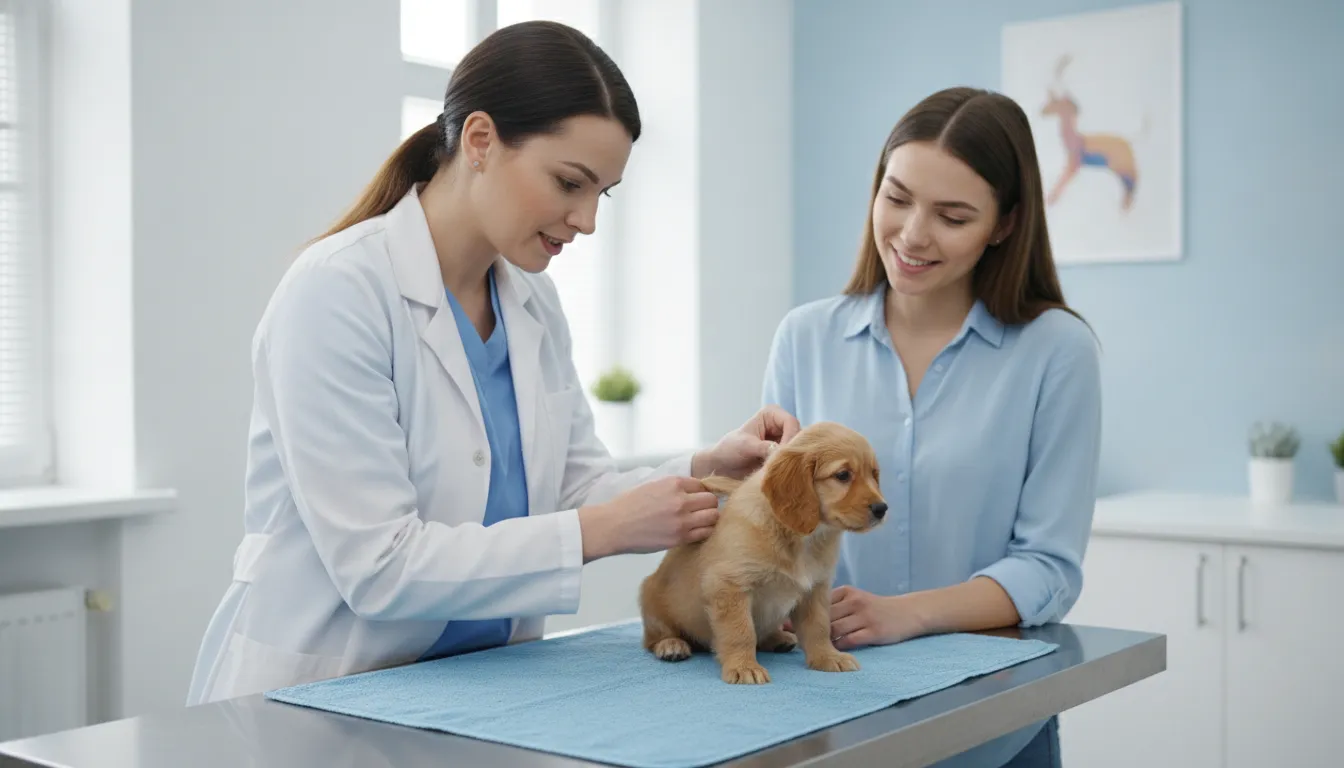
You can find out if your puppy is dehydrated by checking its skin and gums. Gently pinch the skin between the shoulder blades of your dog. In a healthy puppy, the skin will bounce back fast. If the skin stays up in a tent shape, your puppy needs water.
You should also check the gums of your puppy. Healthy gums are pink and moist. Dehydrated gums feel dry and sticky to the touch. You might also notice that your puppy has dry eyes or seems tired. These are clear dog diarrhea warning signs that show your puppy is losing too much fluid.
How to protect your puppy
To protect your puppy, you must make sure they have a constant supply of clean water. Fresh water is needed to replace the fluids your dog loses in their stool. Keep the water bowl full and place it close to where your puppy rests. Some puppies will drink more if you add a tiny bit of bone broth to the water.
You can also use a spoon or syringe to give your puppy small sips of water every hour. Do not let your puppy gulp large amounts of water at one time. Gulping water can cause vomiting, which will make the dehydration worse. If your puppy can not keep water down, you must seek help.
If you are making a puppy bland diet for diarrhea, you can mix a little warm water into the food. This adds extra fluid to their food. If you want to read more about basic puppy health and wellness, Mylo has guides to help you. But if the diarrhea does not stop in one day, or if your puppy is weak, call your vet right away.
When Diarrhea Needs a Vet Instead of Home Care
Many pet owners feel anxious when their puppy has diarrhea. It is common to wonder if you can treat this issue at home. A simple food change can often help a mild case. But some symptoms mean your puppy needs expert medical care right away.
Key warning signs
You should watch your puppy for certain red flags. According to Cornell University research, lethargy and a lack of appetite are clear signs that a puppy needs veterinary care. These signs show your pet is not feeling well. Another serious warning sign is vomiting. If your puppy has diarrhea and vomits, you must get help from a vet.
You should also check the stool for blood. If you see black or tarry stools, which is known as melena, your puppy needs quick help. Melena shows there is digested blood in the gut. This symptom requires urgent veterinary care. Red blood in the stool also shows that there is a problem that a vet should check.
Puppy versus adult dog risks
Young dogs are much more fragile than adult dogs. Puppies do not have the same physical reserves as grown dogs. Because of this, prolonged diarrhea or a lack of appetite is a major concern. A small puppy can get sick and dehydrated fast. While an adult dog might tolerate a day of illness, a puppy needs quick help.
We also have to think about what is causing the illness. In puppies, diarrhea is often caused by parasites or infections. These issues require specific testing and medicine to clear up. A vet can find the root cause of the issue and give your puppy the right care. You should not try to treat parasites or infections with home care alone.
If you are unsure of your pet's symptoms, you can use a dog symptom checker to track what is happening. This tool helps you decide if a vet visit is needed.
When to call the veterinarian
Timing is key when you manage a sick pet. You should call your vet if your puppy seems ill, is vomiting, or still has diarrhea 24 to 48 hours later. If the diarrhea does not resolve within 48 to 72 hours, expert help is needed. You must not wait and hope the issue goes away on its own.
To keep your puppy safe, call a vet right away if you notice any of these signs:
- Diarrhea that lasts more than 48 hours
- Vomiting or gagging
- Lethargy or lack of energy
- A loss of appetite for more than one meal
- Black, tarry, or bloody stools
Most mild cases of diarrhea can be resolved with simple care. If your puppy does not show these red flags, a bland diet may help. But always trust your gut. It is always best to check with a professional when your puppy's health is on the line.
Frequently Asked Questions
What foods stop puppy diarrhea?
The Cornell University Riney Canine Health Center suggests feeding boiled chicken or low-fat hamburger mixed with white rice. Cooked plain pasta is another safe option. These plain foods are easy to digest, which gives the gut a break and helps it heal.
How long should a puppy stay on a bland diet?
A bland diet is only a short-term step and should not be fed long-term because it lacks the nutrients a growing puppy needs. Most puppies eat bland food for two to three days until their stool is firm. As noted by the Cornell University Riney Canine Health Center, you must then switch back to regular food slowly over one to two weeks.
Can you fast a puppy with diarrhea?
No, you should not fast a young puppy. While fasting can help adult dogs, puppies under three months of age have small energy reserves and need regular meals. According to PetMD, you must contact your vet before stopping food. Fasting a very young puppy can cause blood sugar to drop to dangerous levels.
When should I take my puppy to the vet for diarrhea?
You should call a vet if diarrhea lasts more than two days or if your puppy is very tired. You must also seek immediate care if your puppy starts vomiting, refuses food, or has black, tarry stools. These severe symptoms are not normal. As noted by the Cornell University Riney Canine Health Center, puppies lack the physical reserves of adult dogs and can lose fluid very quickly.
Get Real-World Guidance for Your Puppy's Health With Mylo
Watching your puppy struggle with diarrhea is stressful, and it is easy to feel unsure about what to do next. You do not have to figure it out alone. Mylo brings together real pet owner experiences and practical, outcome-based guidance so you can see what worked for pets like yours. Whether you are deciding when to try a bland diet or whether it is time to call a veterinarian, Mylo helps you move forward with more confidence.
Explore Mylo's library of pet health articles and tools to find the support your puppy needs. Browse Mylo's pet health guides for real-world advice on diarrhea, nutrition, and more, and always contact your veterinarian when your puppy's symptoms are serious or lasting.