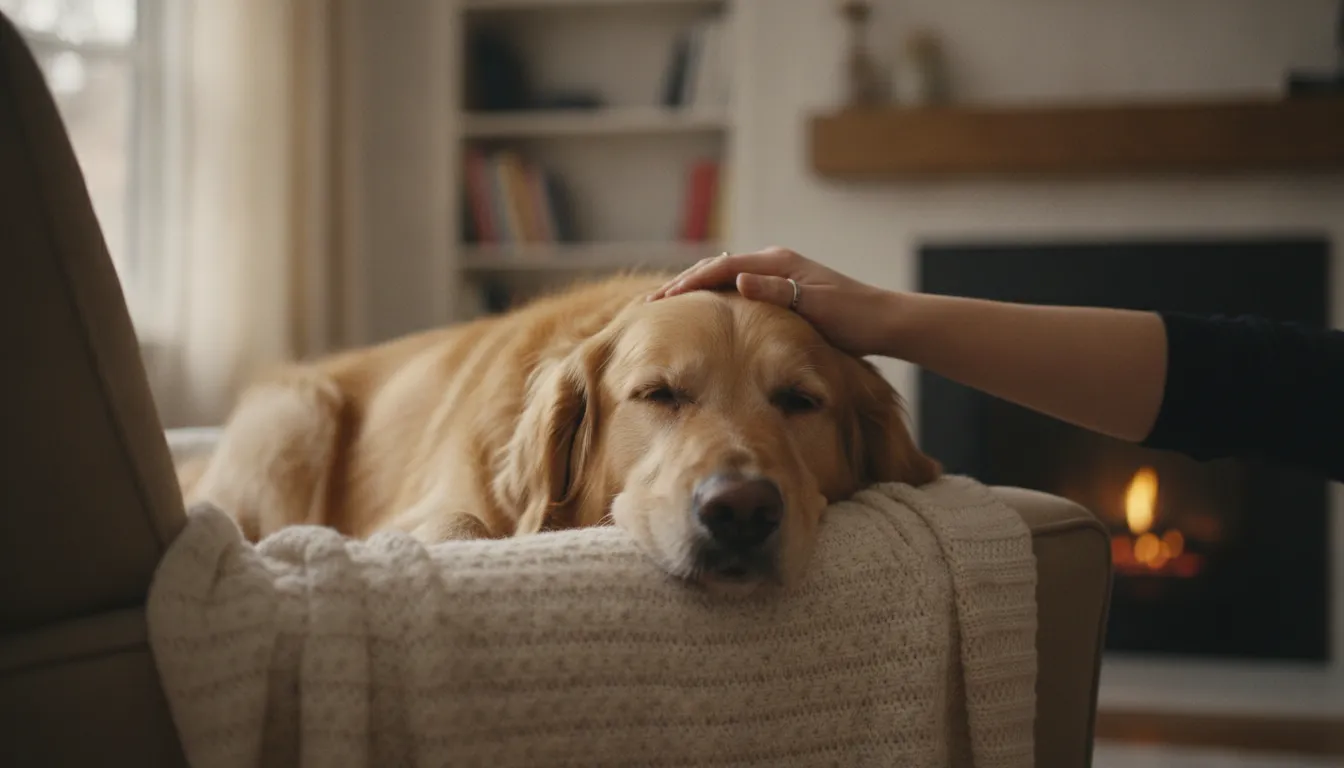
A dog who skips dinner, licks their lips, or has a softer stool can leave you wondering whether to watch and wait or call the vet. Mild digestive upset is common, but the right response depends on your dog's age, symptoms, hydration, and what may have triggered them.
Most mild cases of a dog and upset stomach improve within about 48 hours with careful hydration, small portions of bland food, and close monitoring. If vomiting or diarrhea continues beyond 48 hours, or your dog seems painful, unusually tired, dehydrated, or has blood in the stool, contact your veterinarian promptly. Texas A&M Veterinary Medicine outlines these warning signs, but your vet should guide care for puppies, senior dogs, and dogs with existing health conditions.
Start by observing the pattern rather than treating one symptom in isolation. The combination of appetite, energy, stool or vomit, and hydration clues can help you decide how urgently your dog needs support. Here are the signs that matter most.
Use Mylo to see what worked for pets like yours when your dog's stomach is off and you are weighing home care versus a vet visit.
Signs Your Dog Has an Upset Stomach
When a dog has an upset stomach, the first clues are often small changes rather than a dramatic illness. You may notice one symptom, such as softer stool or skipping a meal, while your dog otherwise seems comfortable and interested in normal activities. Other dogs show several digestive signs together.
Common signs include:
- Vomiting: A single episode can happen after eating too quickly or picking up something unusual, but repeated vomiting deserves closer attention.
- Diarrhea or loose stool: Watch for changes in frequency, texture, and whether your dog can keep water down.
- Loss of appetite: A dog who turns down one meal may simply feel nauseated. Continued refusal to eat is more concerning, especially with other symptoms.
- Excessive drooling or lip-licking: Repeated swallowing, drooling, or licking the lips can accompany nausea.
- Abdominal gurgling: Loud or unusual stomach sounds may appear with gas or digestive movement.
- Licking the floor: Some dogs lick floors, furniture, or other surfaces when they feel nauseated.
- Subtle lethargy: Your dog may rest more, move slowly, or seem less interested in play without appearing seriously ill.
The combination and intensity matter. A single mild symptom in a dog who is alert, drinking normally, and comfortable may be reasonable to monitor closely for a short time. Vomiting and diarrhea together, or digestive symptoms paired with marked tiredness, loss of appetite, or signs of pain, call for a conversation with your veterinarian. Texas A&M's veterinary guidance recommends contacting a vet when lethargy, appetite loss, or pain occurs alongside stomach problems: read the veterinary guidance on stomach aches in dogs.
Also check for dehydration, particularly if vomiting or diarrhea continues. Dry or sticky gums, sunken-looking eyes, and skin that does not spring back normally can be warning signs. These changes are not a diagnosis, but they are a reason to contact your veterinary team promptly rather than relying only on home observation.
Keep a simple record of what you see, including when symptoms began. How often they occur, what your dog has eaten, and whether they are drinking and urinating normally. That context can help you and your veterinarian decide what support is appropriate.
Common Causes of Upset Stomach in Dogs
When a dog develops an upset stomach, the cause is often something temporary and identifiable. The most common trigger is dietary indiscretion, which means eating something unexpected, such as food found on the ground, a new treat, or a non-food item. A veterinary review identifies dietary indiscretion as one of the most common causes of acute vomiting and diarrhea in dogs. Read the research in this review of gastrointestinal disease in dogs.
Food changes and table scraps
A sudden switch from one food to another can disrupt digestion. Even a nutritionally appropriate food may cause trouble if it replaces the old diet too quickly, so changes should be introduced gradually over several days. The same principle applies to treats, chews, and people food. Table scraps and high-fat foods are associated with more frequent stomach upset, particularly when they are unusual for your dog.
Some dogs also react to specific ingredients rather than to a sudden change. If stomach problems repeatedly follow the same food, keep a simple record of meals, treats, and symptoms, then discuss the pattern with your veterinarian. You can also learn more about dog allergies and dietary sensitivity, especially if digestive signs occur alongside itching or recurring ear and skin problems.
Stress, routine changes, and parasites
Dogs can have sensitive digestive systems, and a significant change in routine or environment may contribute to acute gastrointestinal upset. Boarding, travel, a move, a new pet, or an unusual disruption to feeding and walks can all be relevant context. Stress is not the only possible explanation, but it is worth noting when symptoms begin soon after a major change.
Parasites are another possibility. Giardia is a microscopic intestinal parasite that can affect dogs and people, and it spreads through environments, food, water, or surfaces contaminated with feces. The CDC's guidance on Giardia and pets explains the risk and why a veterinarian may recommend a stool test when symptoms persist or recur. Avoid assuming that every upset stomach is dietary, particularly when diarrhea keeps returning.
Infections and less common causes
Infections can also cause digestive symptoms. Canine enteric coronavirus has been associated with outbreaks of severe vomiting in dogs, although it is not the explanation for every routine stomach problem. Severe, persistent, or worsening symptoms deserve veterinary evaluation rather than trial-and-error treatment at home. The timing, possible exposures, vaccination history, and any changes in food or routine can help your veterinarian narrow down the cause.
At-Home Care: What to Give a Dog with an Upset Stomach
When your dog has a mild upset stomach, simple supportive care can help them stay comfortable while you watch for changes. Focus first on hydration, rest, and small portions rather than trying several new foods or supplements at once.
Offer water carefully after vomiting
After a vomiting episode, avoid letting your dog gulp a large bowl of water. Offer small amounts frequently instead. A few sips at a time are less likely to overwhelm an irritated stomach, while still supporting hydration. Texas A&M Veterinary Medicine recommends offering small amounts of water frequently after vomiting rather than allowing a dog to drink a large volume at once: veterinary guidance on dogs with stomach aches.
Once your dog is keeping water down, leave clean, fresh water available so they can drink as needed. Watch for dry or sticky gums, sunken-looking eyes, or skin that does not quickly return to place when gently lifted. These can be signs of dehydration, which warrants a call to your veterinarian.
Try small, plain meals for mild cases
If vomiting has stopped and your dog is interested in food, start with a small portion instead of a full meal. Small, frequent meals are generally easier on an irritated digestive tract than one large serving. A veterinary review of canine gastrointestinal disease describes this approach as part of nutritional management for digestive upset: review of gastrointestinal disease in dogs.
For a mild case, a temporary bland meal such as plain boiled chicken with white rice may be easier to digest than rich or heavily seasoned food. Keep it unseasoned, with no butter, oil, onion, garlic, or sauces. This is short-term supportive care, not a complete long-term diet. If your dog refuses food, vomits again, or seems painful, do not keep experimenting at home. Contact your veterinary team for guidance.
Make recovery boring and consistent
Give your dog a quiet place to rest and keep activity gentle while their stomach settles. Maintain a consistent feeding routine, and pause treats, chews, table scraps, and new foods for now. Fatty leftovers and sudden diet changes can prolong digestive upset, even when your dog appears eager to eat. Reintroduce their usual food gradually once they are consistently keeping meals down, following your veterinarian's advice if symptoms continue.
It can also help to note what your dog ate, when symptoms started, how often they vomited or had diarrhea, and whether their energy or appetite changed. Those details give your veterinarian a clearer picture and help you compare their progress with experiences from similar pets. If you are unsure what to watch next, you can also use Mylo's free pet symptom checker to see what has worked for pets like yours, alongside professional veterinary care.
Build a Bland Diet Step by Step
A bland diet can give a mildly irritated stomach less work to do while you watch for improvement. Plain, unseasoned food is easier to digest than rich treats, table scraps, or heavily flavored food. And boiled chicken with white rice is a commonly recommended option for mild cases. This approach is for short-term support, not a substitute for veterinary care. The guidance from Texas A&M's veterinary team and the review in PMC7185384 both support gentle food and careful hydration as part of managing mild digestive upset.
- Let the stomach settle after vomiting. If your dog has vomited, briefly withhold food for a few hours so the stomach has time to settle. Offer small sips of water instead of allowing your dog to gulp a full bowl, which may trigger more vomiting. Do not use this step as a prolonged fast, and ask a veterinarian for guidance sooner if vomiting continues. Your dog cannot keep water down, or your dog is very young, elderly, or medically fragile.
- Start with a simple meal. Prepare plain boiled chicken and plain white rice. Remove the chicken skin and bones, and do not add salt, butter, oil, garlic, onion, broth, or other seasoning. Once water stays down, offer a small portion rather than a normal serving. The goal is a gentle meal, not a recipe packed with extra ingredients.
- Serve small, frequent meals. Divide the day's food into several modest portions instead of giving one large bowl. Smaller meals are often easier for an irritated stomach to handle. Continue offering clean, fresh water, and keep track of whether your dog is eating, drinking, vomiting, or having diarrhea. If you are also managing loose stool, you can review this diarrhea care guide for related considerations.
- Consider a little pure pumpkin for loose stool. A spoonful of 100% pure canned pumpkin may help firm loose stool for some dogs. Check the label carefully: use plain pumpkin, not pumpkin pie filling, which can contain sugar, spices, or other ingredients that may worsen stomach upset. Keep the amount modest, especially for a small dog.
- Transition back gradually. Keep the bland diet short term, generally for a day or two if your dog is improving. Then mix increasing amounts of the normal food into the bland food over several days. A gradual change is less likely to add another digestive jolt than switching back all at once. If symptoms return during the transition, or continue beyond 48 hours, contact your veterinarian rather than extending a homemade bland diet indefinitely.
Stop home care and seek veterinary advice if your dog becomes lethargic, seems painful, refuses water, or cannot keep fluids down. Persistent vomiting or diarrhea can cause dangerous dehydration, so a bland meal should be one cautious part of monitoring, not the entire plan.
What Not to Give Your Dog With an Upset Stomach
When your dog's stomach is unsettled, adding new remedies or richer food can make it harder to tell what is helping. Keep the menu simple, skip extras. And avoid reaching for products from your own medicine cabinet unless your veterinarian has specifically told you to use them for this dog and this situation.
Do not give human medication without veterinary direction
Bismuth subsalicylate, the active ingredient in products such as Pepto-Bismol, is not a universal fix for canine diarrhea or nausea. Human medications can be inappropriate because a dog's size, age, health history, current medications, and the underlying cause all affect what is safe. The Mayo Clinic advises consulting a veterinarian before using medications, including over-the-counter products, for a dog's stomach upset. That includes anti-diarrheal drugs, pain relievers, acid reducers, and leftover prescriptions.
Medication is not automatically the best next step, either. In a randomized, placebo-controlled trial of dogs with acute diarrhea. Metronidazole was not clearly more helpful than placebo, which is why a vet should decide whether medication is warranted. You can read the study on metronidazole treatment for acute diarrhea in dogs. If your dog has already received a product, note the name, strength, amount, and time given, then contact your veterinary clinic for advice.
Skip rich food, scraps, and sudden additions
Table scraps, fatty leftovers, spicy food, greasy treats, and large portions can add more work for an irritated digestive system. Dietary indiscretion, including eating something unexpected, is a common cause of acute vomiting and diarrhea in dogs. And avoiding table scraps and high-fat foods can reduce the frequency of upset stomachs. Dairy can also cause digestive trouble for some dogs, so it is best not to use milk. Cheese, or ice cream as a comfort food while symptoms are active.
Be cautious with unfamiliar over-the-counter supplements, probiotics, chews, and "natural" remedies, too. Even a product marketed for pets may not fit your dog's symptoms or health needs. Introduce anything new only with a clear reason and, when symptoms are ongoing, veterinary guidance.
Ask before assuming stronger treatment is better
For some acute intestinal problems, nutritional management may be more useful than an antimicrobial. A randomized controlled trial found nutritional management was superior to metronidazole for acute colitis in dogs. The study on nutritional management and metronidazole does not mean every dog should follow the same plan. It does mean that more medication is not always more care. If your dog is not improving, ask your vet what diagnosis, diet, hydration plan, or testing makes sense rather than escalating treatment on your own.
When an Upset Stomach Needs a Vet: Warning Signs
A mild dog and upset stomach situation may improve with rest, hydration, and simple food, but some signs call for veterinary care instead of more home monitoring. Trust what you are seeing, especially when your dog's behavior seems notably different from normal. A vet can assess hydration, pain, infection, and other problems that are not possible to identify reliably at home.
Call your vet promptly when symptoms persist or worsen
Often manageable at home |
Call your veterinarian |
|---|---|
One or two episodes of vomiting followed by a normal appetite and energy |
Vomiting or diarrhea lasting more than 48 hours |
Softer stool for a day with otherwise normal behavior |
Blood in the stool or vomit |
Brief loss of appetite with normal drinking and good energy |
Repeated vomiting, or inability to keep water down |
Mild tiredness that improves with rest and hydration |
Marked lethargy, pain, or loss of appetite, and dehydration signs like dry gums, sunken eyes, or reduced skin elasticity |
- Vomiting or diarrhea lasts more than 48 hours. Ongoing fluid loss can lead to life-threatening dehydration if it is left untreated. Texas A&M's veterinary guidance recommends care when signs continue beyond this point: vetmed.tamu.edu guidance on canine stomach upset.
- Vomiting keeps happening. Repeated or persistent vomiting may need a physical examination to rule out a serious problem, including an obstruction. If your dog cannot keep water down, contact a veterinary clinic rather than repeatedly offering large amounts.
- Your dog is lethargic, painful, or stops eating. Loss of appetite alone may occur with a minor stomach issue, but appetite loss combined with lethargy, discomfort, or pain is a reason to contact your veterinarian.
- You notice blood. Blood in the stool is a serious warning sign requiring immediate veterinary attention. Blood in vomit also warrants prompt veterinary assessment, particularly when it occurs with weakness, repeated vomiting, or abdominal pain.
- You see dehydration signs. Dry or sticky gums, sunken eyes, and reduced skin elasticity can indicate dehydration. Do not wait for these signs to become severe, since dogs can lose fluid quickly through vomiting or diarrhea.
- Fever occurs with vomiting or diarrhea. Fever alongside gastrointestinal symptoms warrants immediate veterinary investigation, according to a CDC-published report: CDC information on fever with gastrointestinal symptoms.
Puppies need a lower threshold for care
Young puppies, especially those who are unvaccinated, can become dehydrated much faster than adult dogs. More than one or two episodes of vomiting or diarrhea in a young puppy is enough to call a veterinarian. An unvaccinated puppy with gastrointestinal symptoms should receive immediate veterinary attention because parvovirus can cause extreme dehydration and death within 24 hours without supportive care. These risks are why waiting to see whether a puppy "bounces back" is not a safe default.
Suspected toxin ingestion is another emergency, even if your dog looks comfortable at first. Contact a veterinary clinic or emergency service immediately if your dog may have eaten a poisonous substance. And keep the packaging or a photo of the substance available if possible. The CDC notes that toxic exposures can cause severe vomiting or diarrhea and require emergency veterinary assistance: CDC guidance for veterinarians on toxic exposures.
What to record before the appointment
Write down when the symptoms began, how often vomiting or diarrhea occurred, whether there was blood, what your dog ate, and any changes in energy, appetite, or drinking. Tell the vet about possible access to toys, medications, household products, spoiled food, or unfamiliar water. If vomiting is the main concern, this deeper guide explains why your dog is vomiting and what details may help you describe the episode. When in doubt, a call to your veterinary team is the safer next step.
How Long Does a Dog's Upset Stomach Last?
Most simple cases of a dog and upset stomach improve within 48 hours when your dog can stay hydrated and tolerate gentle, easily digested food. Mild symptoms often last one to two days, especially when the trigger was a minor dietary mistake or brief routine change. The clock matters less than the overall trend: your dog should gradually seem more comfortable. Show interest in water and food, and have fewer episodes of vomiting or diarrhea.
During this window, offer clean water and follow the at-home care plan recommended for mild symptoms. Small, frequent amounts may be easier to keep down than allowing a dog that has recently vomited to gulp from a full bowl. A bland diet, such as boiled chicken and white rice, may help manage a mild upset stomach. The Texas A&M School of Veterinary Medicine notes that bland food can help mild cases. Ongoing vomiting or diarrhea, by contrast, can cause life-threatening dehydration if untreated. Read the veterinary guidance on dogs with stomach aches.
When 48 hours is too long
If vomiting or diarrhea continues beyond 48 hours, contact your veterinarian rather than continuing to manage the problem at home. Persistent symptoms can prevent your dog from replacing lost fluids and may point to a problem that needs an examination. Veterinary care is also appropriate sooner if your dog is not drinking, cannot keep water down, or is becoming noticeably weaker.
Do not wait for the 48-hour mark when red flags appear. Blood in vomit or stool, repeated vomiting, marked lethargy, loss of appetite, obvious pain, or signs of dehydration deserve prompt veterinary attention. Dry or tacky gums, sunken-looking eyes, and reduced skin elasticity can indicate dehydration. Young puppies can become dehydrated quickly, and an unvaccinated puppy with gastrointestinal symptoms needs urgent veterinary assessment because serious infections can worsen rapidly.
In short, a mild upset stomach should be moving in the right direction within a day or two. If it is not improving, or your dog's behavior concerns you at any point, call your veterinary team for advice. Your dog's age, health history, symptoms, and possible exposure to foods or toxins all affect how urgently the situation should be evaluated.
Use Mylo to see what worked for pets like yours
Frequently Asked Questions
What can I give my dog for an upset stomach?
For a mild episode, offer small amounts of water frequently and only introduce food once your dog can keep fluids down. Small portions of a bland, easily digested meal such as boiled chicken and white rice are a safe next step. Avoid treats, table scraps, and rich foods. If vomiting continues or your dog seems painful, contact your veterinarian rather than trying more home remedies.
How long does a dog's upset stomach last?
Many simple cases improve within about 48 hours with supportive care. If vomiting or diarrhea continues beyond 48 hours, veterinary care is warranted because fluid loss can lead to serious dehydration. Keep a brief log of symptoms, frequency, and duration to share during the visit (Texas A&M VMBS).
When should I see a veterinarian for my dog's upset stomach?
Call promptly for blood in the stool or vomit, marked lethargy, loss of appetite, pain, repeated vomiting, fever, or dehydration signs such as dry gums or sunken eyes. Treat toxin ingestion as an emergency. Young puppies need especially prompt care because they can become dehydrated quickly, and unvaccinated puppies with gastrointestinal symptoms may be at risk for parvovirus (Texas A&M VMBS).
Are human medications safe for a dog's upset stomach?
Do not give Pepto-Bismol, Imodium, or another human medication unless your veterinarian specifically directs you to do so. A product that is appropriate for a person may be unsafe for a particular dog or may mask a problem that needs examination. Ask your veterinary team what, if anything, is suitable for your dog's symptoms (Mayo Clinic).
An upset stomach in dogs is stressful, but most cases pass within a day or two when you catch them early and care for your dog at home. The hardest part is knowing whether you can manage it yourself or whether a trip to the vet is the safer call. That is exactly where Mylo comes in. Instead of spinning through conflicting forum posts, you can see what actually worked for pets with a similar profile, so you feel confident about your next step.
See what worked for pets like yours with the Mylo app and get outcome-matched guidance built from real owner experiences.