A bald patch or raw spot on your cat's skin is a clear signal. While cats spend up to 50% of their waking hours grooming, licking the same spot until it bleeds means something is wrong.
Cats overgrooming treatment starts with a veterinary exam to rule out medical causes like allergies, parasites, or pain. Once health issues are addressed, behavioral therapy, environmental changes, and calming tools can help break the cycle.
Worried your cat is overgrooming? Use Mylo's symptom checker to compare real owner experiences and prepare for your vet visit.
Understanding Cat Overgrooming: Normal Grooming vs Problematic Behavior
A healthy cat spends about 30% to 50% of its waking hours cleaning its fur. This normal habit serves many goals. It helps cats stay clean, removes pests, and keeps their body temperature at the right level. Because they groom so often, it can be hard to tell when a cat starts doing it too much. True overgrooming is more than just a long bath. It is a repeat behavior where a cat licks its skin so much that it causes real harm.
Signs of a grooming problem
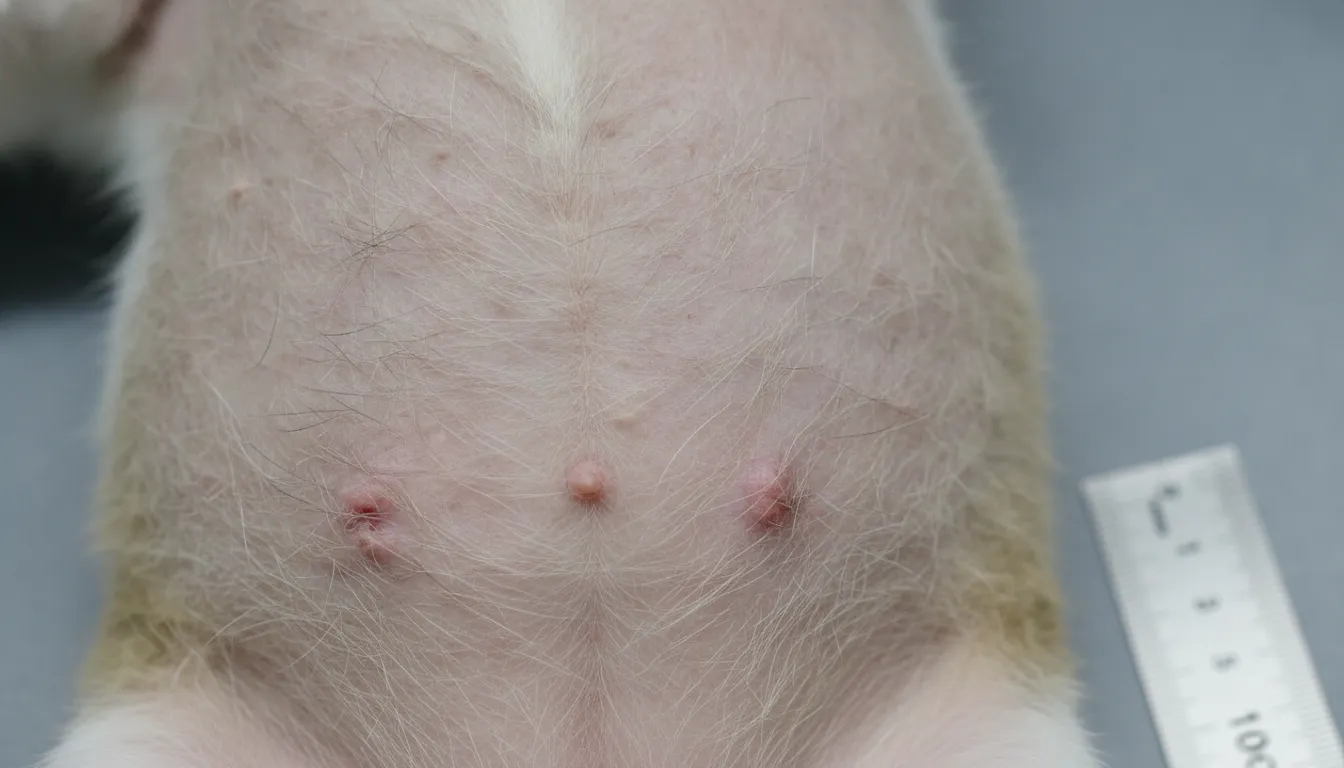
You can spot a problem by looking for clear changes in your cat's coat. A cat that grooms too much often loses hair in long strips along the back, belly, or inside of the legs. The skin may look bald or have short, prickly stubble. In some cases, the skin becomes red and sore. You might also find scabs or small wounds where the cat has licked the skin raw. If you notice these signs, tracking your cat's grooming patterns is the first step toward helping your pet find relief.
Health risks of overgrooming
When a cat licks its skin until it is bare, it faces new health risks. The fur acts as a shield against the sun and germs. Without it, a cat can get a sunburn or a skin infection. Open sores make it easy for germs to enter the body. Also, cats that overgroom swallow more fur than they should. This often leads to more hairballs, which can upset their stomach. Finding the cause early helps stop the cycle of skin damage and pain.
Normal habits vs stress licks
It helps to watch how your cat grooms. Normal grooming is calm and follows a pattern. The cat might clean its face, then its paws, and move down its body. Overgrooming often looks different. The cat may seem focused or even frantic. It might lick the same spot over and
over without stopping. Sometimes, a cat will start to groom when it feels stressed by a loud noise or a change in the home. If the grooming seems driven by stress rather than a need to be clean, it is likely a sign of a deeper issue. Mylo can help
you compare your cat's symptoms with similar cases and track these changes before your vet visit.
What Medical Issues Cause Cat Overgrooming?
While stress is a common reason for heavy licking, health issues are often the root cause. A cat may groom too much to soothe itchy skin or dull a deep ache. Because many health signs look like stress habits, a vet visit is needed for a clear answer. A proper diagnosis is the first step in finding the right cats overgrooming treatment.
Skin Allergies and Irritation
Allergies are a top reason why cats groom until they lose fur. These can come from food, things in the air, or pests. Flea allergy dermatitis is a common issue that causes intense itching. If your cat licks the base of their tail or their back legs, fleas may be the cause. Even one bite can trigger a big response in some pets. Common signs of skin allergies include the following:
- Red bumps or scabs on the back or tail.
- Thin fur or bald spots from constant licking.
- Hot, red skin that feels warm to the touch.
- Small crusts known as miliary dermatitis.
Food and air allergies also lead to skin irritation and infections. A cat might react to dust, mold, or a protein in their food bowl. Over time, the constant licking can break the skin. This moisture and damage allow bacteria or yeast to grow. Finding the trigger often starts with a trial diet or skin tests at the vet clinic.
Not sure what is causing your cat's itch? Check symptoms with Mylo to see what other cat owners with similar pets experienced.
Parasites and Mites
Tiny pests can cause big problems for a cat's skin. Mites are a common health trigger for itchy or damaged skin. Three types of Demodex mites are known to cause issues in cats. These pests lead to a problem called demodicosis. This often shows up as itchiness and hair loss across the body. You may see thin fur or bald spots around the face and neck.
When a cat has mites, they may lick or scratch until they have raw skin. This is known as self-induced alopecia. Because mites are too small to see, you will need a vet to do a skin scrap test. Getting rid of these parasites is vital to stop the cycle of skin damage and keep your pet comfortable.
Pain and Hidden Discomfort
Sometimes a cat grooms because they hurt. Unlike allergies that cause itching all over, pain often leads to focused licking. A cat may groom one specific spot because it feels sore underneath. For instance, a cat with arthritis might lick a leg joint to try to find relief. Dental disease is another hidden cause. A cat with a sore mouth might lick their chest or paws because of the stress of the pain. If you see your cat licking the same spot every day, they likely need a health checkup to find the source.
How Does Stress Trigger Excessive Licking in Cats?
Stress is a top cause of overgrooming in cats. When a cat feels scared or uneasy, they often lick their fur to feel better. This behavior is called psychogenic alopecia. It starts as a way to cope but can turn into a habit that hurts their skin and coat. Pet owners should learn to spot these signs early to stop long-term harm.
Common household stressors for cats
Many things in a home can cause a cat to feel deep stress. Moving to a new house or the arrival of a new baby are common triggers. Adding a new pet can also create fear. Even small shifts in their daily schedule might make a sensitive cat feel uneasy and start to lick too much. Fighting with other cats in the home is a major source of fear. If a cat feels they must compete for food or litter boxes, they may become stressed. Boredom and a lack of things to do can also lead to this issue.
The biology of stress and self-soothing
The link between a cat's mind and their grooming habits is strong. When a cat is under pressure, their body releases a hormone called cortisol. High levels of this hormone can make a cat feel tense. To fight this feeling, the cat grooms their fur to release endorphins. These are natural chemicals that help a cat feel calm and happy. This is why grooming feels so good to a stressed pet. Over time, this self-soothing can become a habit that is hard to stop.
Cats Overgrooming Treatment Options: Medications, Home Care, and Lifestyle Changes
To help a cat that licks its fur too much, you must first find the true cause of the habit. The best cats overgrooming treatment plans focus on the root source. This might be a physical health issue or a stress trigger in the home. Since this behavior often leads to bald spots and broken skin, starting care early is vital for your pet's comfort and safety.
| Cause | Treatment Type | When It Works Best | | --- | --- | --- | | Allergies or mites. | Medical care. | Stops itching from pests or food triggers. | | Immune conditions. | Prescription drugs. | Calms deep skin redness and swelling. | | Stress or anxiety. | Behavior changes and pheromones. | Lowers fear from home or family changes. | | Boredom. | Enrichment and play. | Adds mental stimulation to the daily routine. |
Medical and Topical Care for Skin Relief
If your vet finds a medical issue, they will use specific drugs to stop the itch or heal the damaged skin. For cats with immune-related skin problems, a vet may prescribe cyclosporine to help calm the body's overactive response. Other medical steps include using flea and mite meds to kill tiny pests that cause biting and scratching. Your vet might also suggest a new diet if they think a food allergy is the main reason for the skin irritation.
Managing Stress and Behavioral Triggers
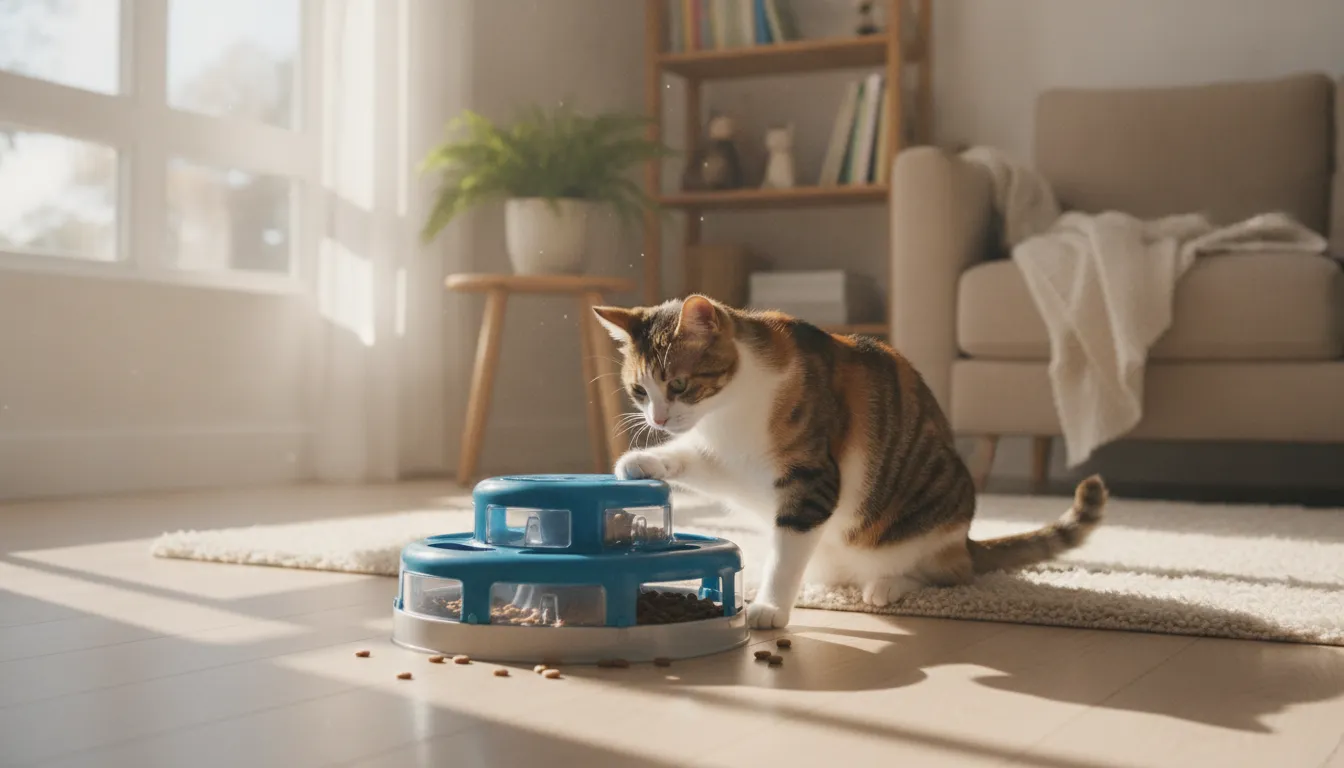
When medical tests come back clear, the focus shifts to your cat's mood and daily life. Stress from a new pet, a move, or a change in the family can cause a cat to groom to soothe itself. You can help by keeping a very strict daily routine so your cat knows what to expect. Try to give your pet plenty of safe spots to hide, especially in high areas like shelves or cat trees. Adding more play time with toys can also reduce the boredom or fear that often leads to skin damage.
How Can You Help an Overgrooming Cat at Home?
Home care can help your pet feel better while you work with a vet. Small shifts in your home can support the health plan your vet sets up. You should not use these steps to take the place of expert help. Instead, use them to make your cat's life calm and full of fun.
Build a calm daily routine
Cats like to know what will happen next. To help, keep meal and play times the same each day. A steady plan helps a shy cat feel in control of their day. If you must change things, go slow to let your pet get used to the new way of
life. Giving your cat things to do can also stop them from licking too much. Boredom often leads to stress for indoor cats. You can add tall spots or scratching posts to give them new places to rest. Window perches let them watch the world outside, which keeps their mind
active. Food games and toys also keep them busy.
Use scents and safe spots
If your cat is very tense, you might try tools to lower their fear. Pheromone therapy is a top tool used to handle stress in cats. These products copy the scents cats use to mark their home as safe. You can use plug-ins or sprays in the rooms where your
cat spends the most time. This scent can help them feel more at ease. Many owners find these tools help during big moves or new pet visits. You should also give your cat a spot where they can go to be alone. This safe zone should have a bed, water,
and a litter box. Keep it away from loud sounds or busy parts of the house.
Fix social stress and use barriers
Living with other pets can be hard for a cat. If there is a fight for food or toys, it may cause a cat to lick too much. Make sure each pet has their own bowls and beds in other areas. When each cat has their own space, the house stays more peaceful. At times, you may need to use a soft collar to protect the skin. Only use a collar if your vet tells you to do so. It is not a fix for the main cause, but it gives the skin time to heal.
Looking for more personalized advice? Join Mylo's waitlist to get matched with pet owners who have been through the same overgrooming issues.
When to See a Vet for Cat Overgrooming
If you see your cat grooming more than usual, it can be hard to know when to worry. Most cats spend a lot of time cleaning themselves, but too much licking often signals a deep issue. A veterinary exam is the best way to find out if the habit comes from stress or a health problem. You should get help if the grooming leads to clear changes in their coat or skin.
Recognizing the warning signs
You may not always see your cat overgrooming, as some do it in private. Instead, look for signs like hair loss in strips along the belly, back, or inner legs. Bald patches with red or sore skin are a clear sign something is wrong. If the skin looks broken or has scabs, there is a high risk of infection. Watch your cat for extra hairballs or signs of stomach upset as well.
Red flags that need urgent care
Some signs mean your cat needs quick help from a vet. Open wounds with pus or a bad smell point to a skin infection that needs drugs right away. If your cat stops eating, seems tired, or hides more than normal, these could be signs of deep pain or illness.
Cats that pull out big clumps of fur in one go may have a serious health issue. Also, if your cat starts grooming after a recent change in medicine or diet, talk to your vet to rule out a reaction. You can use Mylo's symptom tracker to keep a
log of these signs to show your vet.
Steps to prepare for your vet visit
A vet visit goes faster when you come ready. Before the appointment, write down when the licking started and note any changes to your cat's home or routine. Mylo can help you keep a record of your cat's symptoms and care routine. Take clear pictures of any bald spots or sore areas on your cat's skin. Make a list of what your cat eats, including treats and any new foods.
- Log the timeline. Note when the overgrooming first started and how often it happens each day.
- Track changes. Write down any recent changes in your home, diet, or routine that could be causing stress.
- Document symptoms. Take photos of bald spots, redness, or skin damage to show the vet.
- List products. Bring a list of flea meds, shampoos, or supplements you have used recently.
- Write down questions. Prepare 3 to 5 questions about treatment options so you do not forget during the visit.
Frequently Asked Questions
What is the fastest way to stop a cat from overgrooming?
The fastest path to cats overgrooming treatment is a vet exam to identify the root cause. Once diagnosed, treating the underlying issue combined with environmental changes usually stops the behavior within a few weeks.
Can stress alone cause a cat to overgroom?
Yes. Stress is one of the most common triggers for overgrooming in cats, a condition called psychogenic alopecia. Changes in routine, new pets, moving homes, or conflict with other cats can all trigger excessive licking.
Will a cone or collar stop my cat from overgrooming?
A soft collar can prevent further skin damage while the underlying cause is treated, but it does not address the root issue. Use a collar only when recommended by your vet.
How long does it take for a cat's fur to grow back after overgrooming?
Once the cause is addressed, fur typically begins regrowing within 2 to 4 weeks. Full regrowth can take 2 to 3 months depending on the severity of the skin damage.
Should I try home remedies before seeing a vet?
No. Always see a vet first to rule out medical causes. Home remedies alone can delay proper cats overgrooming treatment and allow the underlying condition to worsen.
Ready to Help Your Cat Heal?
Cats overgrooming treatment starts with understanding what is driving the behavior. Whether the cause is medical, stress-related, or both, the right combination of veterinary care, home adjustments, and patience can help your cat recover. Mylo connects you with pet owners who have been through the same situation, so you can learn from real outcomes before making decisions.
Join the Mylo waitlist today to get personalized advice from owners with cats like yours. Get started with Mylo and find the cats overgrooming treatment approach that works for your pet.