Finding a puddle on your rug instead of a clean litter box is incredibly frustrating. House soiling is the most common behavior problem reported by cat owners, but it is rarely spite. Your cat is trying to tell you something is wrong. A cat not using litter box can signal a medical issue, a dirty box, or environmental stress.
A cat not using the litter box is often dealing with an underlying medical issue, a dirty box, or environmental stress. According to the Cornell Feline Health Center, cats may stop using their boxes because of painful conditions like urinary tract infections or because they have developed an aversion to the litter. The box type, or its location. Solving this requires a systematic check of your cat's health, their physical setup, and any changes in your home. You must first ensure your pet is not in pain, then adjust their environment until they feel safe again.
When your cat stops using their box, you need to find the root cause before you can fix it. Compare real owner experiences on Mylo to see what worked for other cats with the same problem. Before making any changes, rule out physical pain and illness first.
Cat Not Using Litter Box: Rule Out Medical Causes First
When a cat stops using their litter box, it is easy to assume the issue is purely behavioral. However, health problems are often the real reason. If your cat is not using the litter box, your first step must be a vet visit to rule out pain and illness. Learn more about why cats drink excessive water and other urinary warning signs.
Urinary Tract Infections and Inflammation
Urinary tract issues are among the most common reasons cats avoid their boxes. Conditions like urinary tract infections, bladder stones, and Feline Lower Urinary Tract Disease (FLUTD) cause severe pain and swelling. According to the Cornell Feline Health Center, this inflammation increases the frequency and urgency of urination. A cat cannot control these sudden urges and may urinate wherever they are at that moment.
How Pain-Associated Avoidance Develops
When urination hurts, a cat does not understand that the pain comes from an internal illness. Instead, they associate the sharp pain with the physical place where they felt it: the litter box itself. Because of this bad association, they begin to view the box as a source of pain. They seek out soft carpets or cool tile floors where they hope to urinate without hurting. Even after a vet treats the illness, this learned aversion can persist. That is why early medical intervention is so critical.
Systemic Illnesses and Increased Urination
Some health conditions do not cause direct pain during urination but still lead to litter box failure. Chronic kidney disease, diabetes mellitus, and thyroid disease cause cats to drink much more water and urinate far more often. To understand how these symptoms connect, explore our guide on medical conditions that cause excessive thirst in cats. The increase in urine volume means the litter box fills up much faster. Many cats will refuse to step into a box that is already wet or dirty.
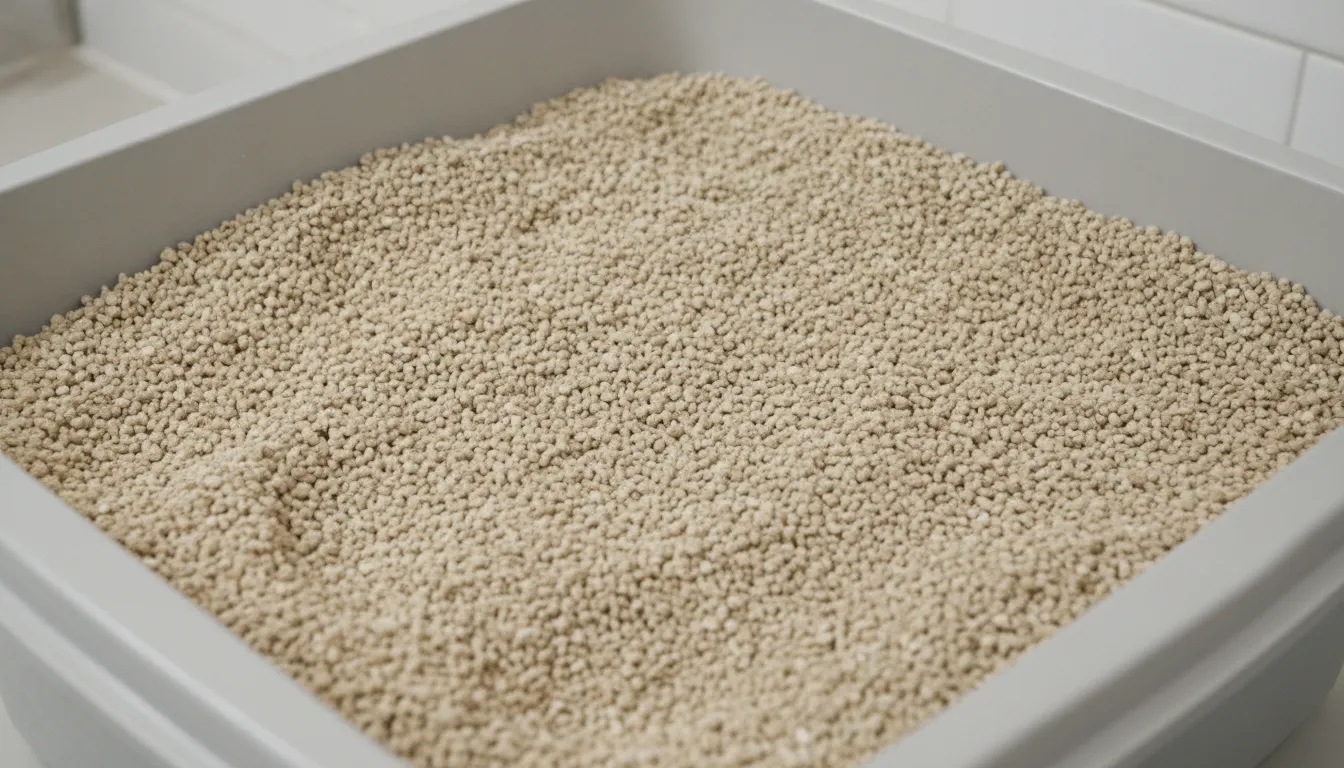
A clean, well-maintained litter box with soft clumping litter helps encourage proper bathroom habits.
Arthritis and Mobility Issues in Senior Cats
As cats age, they often develop painful arthritis. Cornell experts note that these age-related diseases slow down mobility and make it very hard to reach or enter the box in time. High-sided litter boxes require a cat to climb or jump, which puts pressure on sore joints. A senior cat may decide that climbing into a high box hurts too much. They may soil the floor nearby instead. For older pets, a physical barrier rather than a behavior problem is the true obstacle.
Litter Box Setup: Could the Box Be the Problem?
When you find your pet has soiled your carpet, your first thought may not be about the plastic pan itself. Yet, a cat not using the litter box often acts out because of a simple design or placement flaw. Litter box aversion can stem from the physical box, the type of substrate inside, or where you place it. Understanding how your pet views their bathroom is the first step to solving this common issue.
The Right Box and Litter Type
The style of the container plays a major role in how safe your pet feels. Many owners buy covered pans to hide waste and block odors, but hoods can trap smells inside and block your pet's view of threats. Many cats prefer open litter boxes so they can see their surroundings and avoid feeling trapped. Size also matters, as a tight space makes it hard for a large pet to turn around. Ensure your pans are big enough for your cat to comfortably enter and turn.
The material inside the pan is just as vital. Most cats prefer a soft, fine-textured, unscented, clumping litter that feels natural under their paws. Keep this layer about two inches deep. A layer that is too deep or too shallow can feel unstable. Avoid strongly scented options, as they can repel animals with highly sensitive noses.
Location and the Multi-Pet Rule
Where you place the pan can make or break your pet's bathroom habits. The box should be in a quiet, low-traffic area where your pet will not be startled by loud noises or busy activity. Keep pans far away from food and water bowls, as no animal wants to eat near its waste site.
If you have more than one pet, follow the correct math. The golden rule is one litter box per cat plus one extra. Place these containers in different rooms. One dominant pet can easily block access to a single row of boxes.
Hygiene and Senior Needs
Cats are clean animals. Scoop the litter boxes at least once a day to remove waste. Clean the boxes completely with warm water and mild soap once every week or two to prevent odor buildup.
As your pet grows older, standard setups become hard to use. Older cats often suffer from joint pain or arthritis. Stepping over a high plastic wall becomes difficult. Switch to a senior-friendly pan with a low entry point of three inches or less.
Environmental Stress and Changes at Home
Cats thrive on routine and are highly sensitive to shifts in their living space. When their everyday world changes, they often feel insecure. A common way they show this distress is by avoiding their usual spot, which can lead to your cat not using the litter box. For help understanding common cat behavioral issues and solutions, explore our guide. These disruptions can quickly turn a calm pet into a stressed one.
How New Stressors Trigger Avoidance
Major life events are clear triggers for feline distress. Moving to a new home, bringing home a new baby, or adopting another pet can make a cat feel unsafe. Even smaller shifts, like a new work schedule, can cause anxiety. Studies show that stressful changes in a household can cause cats to stop using the litter box, as noted by the ASPCA. This is a stress response, not spite.
Noise is another factor owners often overlook. Construction noise, loud music, or frequent guests can terrify a sensitive pet. A cat needs to feel safe when they use the bathroom. If they associate the box area with scary sounds, they will seek out other spots like a quiet closet.
The Complex World of Multi-Cat Homes
Living with other felines can be hard, even if they seem to get along. Multi-cat households create territorial stress affecting litter box use, as documented by the ASPCA. Cats often compete for resources like food, water, and quiet spaces. One dominant pet might block access to a box or bully another cat. This subtle bullying often happens when we are not looking.
To prevent guarding behavior, place boxes in separate areas of the house. Putting three boxes in one room does not count as three options. One cat can easily guard that single space. Placing boxes in different rooms gives each pet a safe option.
Distinguishing Stress From Medical Problems
When a cat stops using their box, determine if they are marking territory or have a health issue. Marking, such as spraying urine on walls, is often a response to stress. Never assume a sudden shift is purely mental. Read more about how to stop cats from peeing outside the box with proven strategies. A checkup by a vet is always the first step. Physical problems are highly common when a cat changes its bathroom habits.
Litter Box Aversion vs. Marking: What's the Difference?
When a cat not using the litter box behavior starts, owners often feel confused. To solve the issue, you must first find out if your pet is rejecting their bathroom setup or marking territory. These two behaviors have different root causes and require distinct paths.
How to Spot the Difference in Behavior
To tell these habits apart, watch your cat while they eliminate. A cat with litter box aversion tries to avoid the box itself. They will typically squat on horizontal floors or soft items. You may find puddles on carpets, beds, or tile floors, according to the Cornell Feline Health Center. The animal may run from the box, scratch the walls outside it, or refuse to step inside.
In contrast, urine marking is a form of communication. When marking, a cat stands upright near a vertical surface like a wall or door. They twitch their tail and spray a small amount of urine backward. This is a normal instinct. While spraying is the most common form, some pets also leave small puddles on flat surfaces.
Why Identifying the Core Problem Matters
Know the exact cause before you try to fix it. If your cat has an aversion, changing the litter brand, getting a larger box, or moving it to a quiet area can help. If your pet is marking, they are likely reacting to territorial stress. In those cases, reduce stress and resolve territory conflicts.
How To Help Your Cat Start Using the Litter Box Again
It can be stressful when your cat stops using the box, but you can help your pet get back on track. By following a clear plan, you can find the root cause and make your home comfortable. Here are the five key steps to solve this problem.
Step 1: Rule Out Medical Issues First
Your first move must be to consult a professional. Sudden changes in bathroom habits are often the first sign of health problems. Before adjusting your pet's behavior, schedule a vet visit to rule out underlying illness. A vet can run tests to check for infections, kidney disease, or other painful issues.
Step 2: Deep Clean All Accident Spots
If your cat has a favorite spot to soil, they will keep returning if they can still smell their scent. Clean these areas with care to remove all trace odors. When your cat pees on carpets or furniture, wash the spot with a specialized enzymatic cleaner. Check out effective solutions to stop cats from peeing outside the box.
Step 3: Re-evaluate Your Box Setup
Your cat may avoid their box simply because they dislike the setup, the litter, or the location. Follow these steps to make the space more inviting:
- Provide one box per cat plus one extra, following the ASPCA's general rule.
- Place boxes in quiet, low-traffic areas where your pet feels safe and will not be startled.
- Fill boxes with about two inches of soft, unscented, clumping litter that most cats prefer.
- Choose open-top boxes over covered designs to give your cat a clear view of their surroundings.
- Place boxes away from food and water stations to respect their waste-separation instinct.
- Switch to a low-entry box for senior cats, keeping the lip at three inches or lower.
Step 4: Reduce Environmental Stress
Cats are very sensitive to change, which can trigger house soiling. Keep their environment as calm as possible. If you recently moved or welcomed a new pet, use calming diffusers to lower tension. Give your cat a private space to relax.
Step 5: Use Positive Reinforcement
Encourage your cat to use their box by rewarding them. Never use punishment. If your cat uses the box correctly, give them a small treat or praise them. If they have an accident, clean it up quietly. Yelling or scolding will only create fear and worsen the behavior.
When To Call a Veterinarian
A sudden change in house training is rarely a simple quirk. If you find your cat not using the litter box, your first step should be a medical check. Never assume your pet is acting out. Behavioral training will fail if an underlying illness is left untreated.
Recognizing True Veterinary Emergencies
Some urinary issues are life-threatening. If your cat is straining to urinate with little or no output, seek help right away. This is a sign of a urethral blockage, which is common in male cats. Blood in the urine, constant crying in pain, or deep lethargy are emergencies. If vomiting or appetite loss occurs, go to an emergency clinic immediately.
You can read more about how illness triggers changes in our guide on medical conditions that cause excessive thirst in cats. Acting quickly during a blockage can save your cat's life.
Signs That Warrant a Scheduled Vet Visit
Other signs are less urgent but still need a professional checkup. Schedule a visit if you notice persistent accidents after ruling out environmental stressors. A steady increase in thirst and urination can point to kidney disease or diabetes. Watch for sudden weight changes or mobility issues. For more on understanding your cat's behavior and health signals, explore our library.
According to the Cornell Feline Health Center, age-related diseases that interfere with mobility often make it hard for senior cats to reach the box in time. Severe arthritis can make climbing into a high-sided box too painful. A veterinarian can run blood work, check joint health, and prescribe treatments to keep your cat comfortable.
Frequently Asked Questions
How many litter boxes do I need for my cats?
You should have one box for each cat plus one extra. According to the ASPCA, this rule helps prevent territorial guarding. In multi-cat homes, spread boxes across different rooms so no single cat can block all of them.
Why did my cat suddenly stop using the litter box?
A sudden change in habits almost always has a root cause. The most common reasons are medical issues like UTIs, a dirty or poorly placed box, environmental stress from a recent move, or a negative association with the box. Always start with a vet visit before trying behavioral fixes.
Will my cat eventually use the litter box again?
Yes, most cats will return to their box once you address the underlying cause. Whether the issue is medical, environmental, or setup-related, cats have strong instincts to bury their waste. Once you remove the barrier, they typically resume normal habits within days or weeks.
How do I clean accidents so my cat stops returning to the same spot?
Use an enzymatic cleaner designed for pet urine. Standard household cleaners remove visible stains but leave scent markers only a cat can detect. Saturate the area, let it sit per the instructions, and blot rather than scrub to lift odors from deep in the fibers.
Is my cat peeing outside the box out of spite?
No. Cats do not eliminate outside the box out of anger. House soiling is always a sign that something is wrong physically or emotionally. Your cat may be in pain, stressed, or unable to reach their box in time. Punishing accidents only increases stress and makes the problem worse.
Ready To Find the Right Solution for Your Cat?
Every cat is different, and what works for one may not work for another. Mylo helps you compare real experiences from pet owners whose cats faced the same litter box challenges. Instead of guessing which fix to try next, read outcome-matched stories from owners who have been where you are. Join the Mylo waitlist today and get early access to advice backed by real pet owner outcomes, not generic internet guesses.