
Allergies for dogs are common immune system reactions to things like pollen, food, or flea bites that often cause painful symptoms like red skin and hair loss. While some dogs react to seasonal triggers in the air, others have bad reactions to certain proteins in their diet that can often lead to chronic ear issues. It is vital to find the root cause of these issues so you can provide the right care and avoid more painful flare-ups with your own pet's health. You can also look at real-world data from other owners with the same dog breed and age to see what worked for other pets with similar itchy symptoms.
Ready to find matched insights for your dog's allergies? Join the Mylo waitlist today to see real outcomes from similar pets.
What Are the Primary Types of Allergies for Dogs?
Allergies for dogs can cause a lot of pain and lead to many skin and health problems. Like people, dogs react to things in their food or the places around them that should be safe. Most dogs start to show signs of an allergy when they are between six months and three years old. Finding the cause is the first step to help your pet feel better. There are four main types of dog allergies that pet parents often see.
Atopic Dermatitis (Seasonal Allergies)
Atopic dermatitis is a common skin disease in dogs. This type of allergy is often passed down from parents to their pups and causes bad itching. It happens when a dog's immune system reacts too strongly to things like pollen or dust. Dogs with this issue often have a weak skin barrier that lets these things get into the skin too easily.
This issue leads to red skin and swelling on the paws, face, and belly. If your dog licks their feet a lot, they may have this type of allergy. Experts at the Merck Vet Manual say this disease involves a mix of skin issues and immune reactions. You can use the Mylo pet health platform to see what worked for other dogs with the same issues.
Food Allergies in Dogs
Food allergies are an immune response to certain parts of a dog's diet. While many people think of grain, the most common triggers are often meats like beef, chicken, or dairy. When a dog has a food allergy, their body sees a safe food as a threat. This leads to itching and skin sores that keep coming back. Some dogs may also have an upset stomach, but skin problems are the most common sign.
It is good to know that food allergies are not the same as a sensitive stomach. A true allergy involves the immune system, while being sensitive usually just means the food does not sit well. Based on research on food allergies in animals, these reactions often cause ear infections and red skin. Finding the cause takes time and usually needs a special food trial with help from a vet.
Flea and Contact Allergies
Flea allergy dermatitis is the most common skin disease for dogs in many places. It is not just the flea bite that causes the itch, but the spit from the flea. Even one or two bites can cause a big reaction in a dog that is sensitive to fleas. This often leads to hair loss and scabs near the tail or on the back legs. Keeping your dog on a flea plan and knowing how to get rid of fleas on a dog is the best way to stop this painful problem before it starts.
Contact allergies are the least common type of allergy for dogs. They happen when a dog's skin touches a specific thing that causes a reaction. This could be a floor cleaner, a type of grass, or even the cloth of a dog bed. The rash usually shows up on parts of the body with less hair, like the belly or the paws. Taking the item away or cleaning the area often stops the problem fast once you find the cause.
What Are the Common Symptoms of Allergies in Dogs?
Finding out if your pet has allergies for dogs can be hard. Most pets show signs through their skin first. You might see them act in new ways, like biting at their skin or rubbing their face on the floor. Knowing these signs early helps you get them the right care before the issue gets worse.
Skin Itching and Redness
Itching is the top sign that a dog has allergies. If you are wondering why is my dog scratching so much, this is often called pruritus. You may see your dog scratch their belly, sides, or ears for a long time. If they do this a lot, the skin can get red and sore. In some cases, the skin may even get thick or dark. For dogs with flea allergies, just one or two bites can cause a huge reaction. This happens because of the flea saliva. This intense itching can lead to open sores or hot spots if you do not stop it.
Paw Licking and Ear Issues
Many dogs show allergy signs in their paws and ears. If your dog licks or bites their paws all the time, it is often a sign of a reaction. This habit can make the paws look red or stained.
Ear issues are also very common in pets with allergies. You might notice a bad smell, red skin, or a lot of wax in the ears. Chronic ear infections often keep coming back until the main allergy is found and fixed. You can use the Mylo app to see how other owners deal with these repeat issues. This helps you find what worked for dogs of the same breed and age.
Hair Loss and Breathing Issues
Long-term scratching often leads to hair loss. You may see bald spots or thin fur on their back, legs, or tail. This happens when the dog bites or rubs the area to stop the itch. While most signs are on the skin, some dogs have trouble with their breathing. About 15% of dogs with skin allergies also have asthma or a stuffy nose. These signs can make it hard for your pet to rest or play.
Watching for these signs is the first step in helping your dog feel better. If you see your pet licking their paws or if they have red skin, talk to your vet. They can help find if the issue is food, fleas, or things in the air like pollen. Finding the cause of allergies for dogs early can save your pet from a lot of pain and help them live a happy life.
How Can I Tell if My Dog Has Seasonal Allergies?
Finding the reason your dog is itchy is a top goal for many pet parents. Yearly allergies for dogs often show up as red skin or steady itching. While humans often sneeze when plants bloom, dogs feel the itch on their paws, bellies, and ears. If your pet starts to bite their skin as the weather turns warm, they likely have a bad reaction. This often comes from things in the world like pollen or mold.
Observe timing and age
One of the best ways to find the cause is to look at when the itching starts. Yearly triggers come and go with the seasons. If your pet only feels bad in the spring or fall, it is a big clue. You should also think about how old your pet was when the scratching first began. Most young pups do not have these issues right away. You can use these steps to help find the problem.
- Track the months. Keep a log of when your dog scratches most. If the itch stops in the winter and starts in the spring, the trigger is likely outside in the grass or trees.
- Check your dog's age. Based on VCA Animal Hospitals, most allergies for dogs appear after six months of age. Many pets do not show signs of a reaction until they are at least one or two years old.
- Look at the feet and face. Dogs with yearly issues often lick their paws or rub their eyes after a walk. Check for red skin between the toes or near the muzzle after they spend time outdoors.
- Identify the itch signal. Inside the body, a specific protein called IL-31 plays a vital role in starting the urge to scratch. As noted by the Merck Vet Manual, this natural flare is a key sign of skin issues.
- Watch for ear redness. Chronic ear issues often go hand-in-hand with yearly triggers. If your dog's ears smell or look red, it might be due to the world around them rather than just a simple dirt build-up.
Learn from other pet owners
Once you see these signs, you may feel unsure of what to do next. You can use the Mylo pet health platform to find outcomes from other owners with the same breed. This helps you see what worked for pets like yours. It is a great way to get clear steps that are not just broad tips from a search engine. You can see how others managed similar flares and find the best path forward.
While a vet must give the final word, having this data helps you ask the right questions. You can track which grass or trees seem to cause the most harm to your pet. Then, you can find a plan that keeps your dog happy all year long. Knowing why a quick itch is not the same as a real yearly reaction is the first step to a better life for your dog.
Can a Dog Have a Food Allergy and What Are the Signs?
Yes, dogs can have food allergies. A food allergy happens when the body has an extreme immune reaction to something in the diet. This often starts after a dog eats the same food for a long time. While many people think of food issues as tummy upsets like wondering why does my dog have diarrhea, most food reactions in pets show up on their skin.
How your dog reacts to food
In a dog with a food allergy, the body treats a normal protein like a threat. This triggers an extreme immune response to certain parts of their food. This response can lead to constant itching and skin redness. It is not like a simple food response because it involves the whole immune system.
Most of these responses are caused by proteins. Common triggers include beef, chicken, dairy, or wheat. Even if your dog has eaten the same meal for years, they can still get an allergy to it. The body learns to over-react to the food item over time. This makes the skin itchy and sore for your pet.
Signs of food issues in dogs
The main sign of a food allergy is itching that does not stop. You might see your dog lick their paws or rub their face on the floor. Unlike seasonal allergies, food issues often cause year-round trouble. Dogs may also get ear pain that keeps coming back even after they get meds from the vet.
Some dogs will lose hair or get red bumps on their belly. While many owners look for throwing up or loose stools, skin problems are far more common. If you notice your pet is itchy no matter the season, a food issue could be the cause. You can use the Mylo pet health platform to see how other owners handled these signs.
Finding the root cause
Finding the exact trigger is a slow process. Blood tests and skin tests are not very good at finding food triggers. Instead, vets use a special diet to test for responses. This is known as a dietary elimination trial and it is the only way to be sure.

During a trial, your dog eats a new kind of food for eight to twelve weeks. This food has proteins your dog has never had before. If the itching stops, you then add old foods back one by one. If the itch returns, you have found the trigger. This method takes time and care, but it gives you real answers for your dog's health.
Always talk to your vet before you start a new diet. They can help you pick the right food and make sure your dog gets the food they need. Managing allergies for dogs is easier when you have a clear plan. With the right diet, most dogs can live a happy life without any more itching.
Stop guessing on your pet's health. Request access to the Mylo app today to compare symptoms and treatments with similar dogs.
What Can I Give My Dog for Allergies and Itching?
Dealing with a dog that always itches is hard for both you and your pet. It is key to find the right help to stop the scratching and let the skin heal. While you might want to use a pill from your own shelf, you must talk to a vet first. The right choice often depends on your dog's age and how bad the signs are.
Vet Meds for Fast Relief
Most vets suggest drugs like Apoquel or Cytopoint for fast relief. Apoquel is a daily pill that stops the itch signal in the brain. It works well for many dogs with seasonal issues. Cytopoint is a shot given at the vet's office that can last for weeks. It uses proteins to block the itch before it starts. These tools are often safer and work better than old drugs.
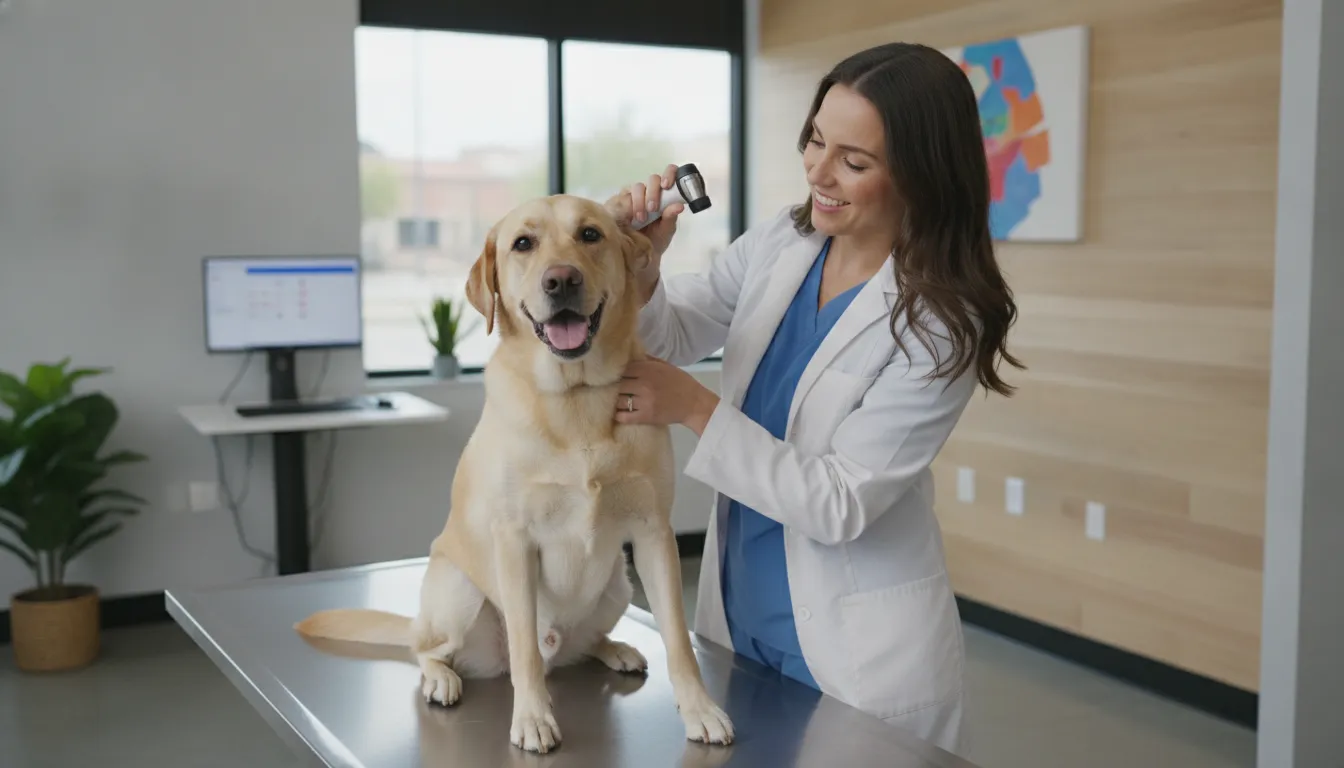
Your vet may also look for other signs like ear sores or red paws. Since canine atopic dermatitis is often passed down from parents, long-term care is key. These newer shots and pills help manage the skin barrier and lower the chance of a flare-up. Always follow the dose your vet gives to keep your pet safe.
Safe Store Pills for Itching
Some pet owners use pills like Benadryl or Zyrtec for mild itching. These drugs can help block histamines that cause the scratchy feel. But these do not work for every dog. You must be very careful when buying human meds for pets. Many brands add other parts that can hurt your dog. Never give your dog a pill without checking the label for harmful items.
A major risk is a drug called pseudoephedrine. It is found in many human cold pills but is not safe for pets. According to the National Institutes of Health, even small amounts of pseudoephedrine can be lethal for dogs. It can cause a fast heart rate, shakes, and even death. Always check with a pro before you try any new pill at home.
Allergy Care List
Care Type | How it is Given | How it Works. | Best For. | Apoquel | Daily Pill | Blocks itch signals. | Daily itch control. | Cytopoint | Shot | Blocks itch proteins. | Long-term relief. | Antihistamines | Oral Pill | Blocks histamines. | Mild seasonal signs. | Special Baths | Shampoo | Soothes the skin. | Surface skin relief.
Finding the right match for your dog's needs takes time. You should watch for changes in how much they scratch after each new step. Use the Mylo app to see what has worked for other dogs like yours. Sharing these results with your vet can help you find a plan that works fast.
How Mylo Helps Pet Parents Manage Dog Allergies
Dealing with allergies for dogs can be a long and tough path for any pet owner. You might spend many weeks or even months trying new foods or soaps without seeing a clear fix. The Mylo app helps by taking the guesswork out of this care. Instead of looking at broad tips that may not work, you can see what has helped other dogs that are just like yours. This peer-based approach lets you focus on choices that have a high rate of success.
Matching your dog's breed and age
Each dog is unique, and their health needs change as they grow. Mylo uses facts about your pet's breed, age, and signs to find the best match for advice. Some breeds are more likely to have skin issues that run in the family. For instance, atopic dermatitis is a common skin disease that causes intense itching. By looking at pets with the same profile, you can find a care plan that fits your dog's own needs and life stage.
Tracking results that real owners share
One of the biggest tasks for pet parents is knowing which advice is good. Mylo tracks results from other owners to show you what works. You can see how many people found a certain food or soap helpful and how many did not. This clear data helps you make better picks for your dog's health. It also saves you time and money by skipping things that did not help pets with the same symptoms. You can feel more sure about the steps you take to help your dog feel better.
Giving you better data for vet visits
While Mylo is not a tool for testing, it gives you the right facts to talk to your vet. You can keep a log of your dog's signs and show the vet what has worked or failed in the past. This makes your vet visits more useful and helps you get to a fix faster. Having a full record of your pet's path can help your vet find the cause of the itch sooner. The main goal is to keep your pet happy and healthy with less stress for you and your furry friend.
Frequently Asked Questions
Can environmental allergies cause breathing problems in dogs?
Yes, environmental allergies can lead to more than just itchy skin. While most dogs scratch or lick their paws, about 15 percent of dogs with skin allergies also develop breathing issues. This can include asthma or a stuffy nose known as rhinitis. The Merck Veterinary Manual says that while the skin is the main target, these other signs can happen. Watch for sneezing or coughing in your pet.
Is it safe to give my dog human allergy medications?
You should never give your dog human drugs without asking a vet first. Some pills that help people can be very unsafe for pets. For example, pseudoephedrine is often found in human allergy pills but can be deadly for dogs. The Animal Humane Society warns that even small amounts can cause serious harm. Always check the label for this part and keep all pills out of reach of your pet.
How can I tell if my dog is reacting to flea bites?
Flea allergy dermatitis is a common issue for many pets. It is caused by a reaction to flea saliva. In some dogs, just one or two bites can trigger strong itching and skin redness. PetMD states that this reaction is much stronger than a normal itch from a flea. If you see your dog biting at their tail or back, fleas might be the cause. Regular flea prevention can help keep your dog happy.
How does Mylo help me manage my dog's allergies?
The Mylo pet health platform matches your dog with advice from other owners who have pets with the same breed, age, and symptoms. Instead of guessing, you can see what worked for dogs just like yours. This helps you find the right path for care and track how your dog feels over time. You can join the waitlist to start getting these matched insights for your pet.
Ready to help your dog find relief from itchy allergies?
Leaving your dog to scratch and itch can lead to painful skin sores and high vet bills. If you act now, you can find a clear path to help and keep your pet happy. Mylo lets you see what worked for other dogs of the same breed and age. By looking at real outcomes from other pet parents, you can stop the guesswork.
This helps you find a real plan that fits your pet's life today. You can give your dog the care they need right now. You do not have to wait for things to get worse or spend hours searching for advice that might not work.
Ready to request access to the Mylo app? Request access to the Mylo waitlist today to get peer-led health advice for your dog.